HomeBlogGuideGrappling Mat: What It Is, Materials, Thickness and Cost
Grappling Mat: What It Is, Materials, Thickness and Cost
Grappling mats provide a cushioned training surface for BJJ, wrestling and MMA. The appropriate construction depends on whether training focuses on groundwork, stand-up grappling or repeated throws. Buyers should compare surface finish, foam type, thickness, impact performance and installation format before choosing a mat.
What Is a Grappling Mat?
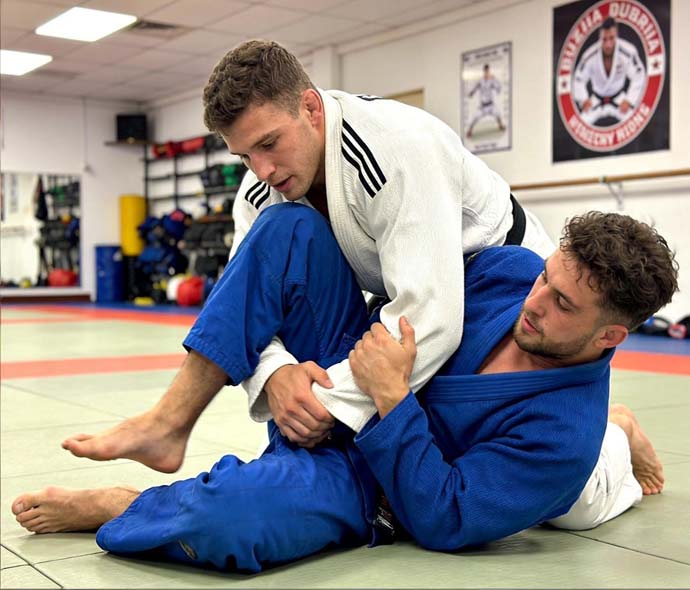
A grappling mat is a padded training surface designed for ground techniques and, where appropriately specified, takedowns. Surface grip, skin contact, cushioning and secure joints should be evaluated for the intended use.
It differs from other mats in three ways:
Gym or fitness mats are made for impact and standing work, not for sliding bodies and gi grips.
Interlocking mats can work well for defined training applications, but buyers should check joint security, firmness and impact protection, particularly for frequent takedowns.
Grappling mats pair a non-porous top with a dense core in a layout with few seams.
Related terms include BJJ mats, jiu-jitsu mats, wrestling mats, roll-out mats and tatami mats. These labels describe different sports, constructions or finishes, so confirm the product specification rather than relying on the name alone.
How to Read a Grappling Mat Spec Sheet
Materials: surface and core
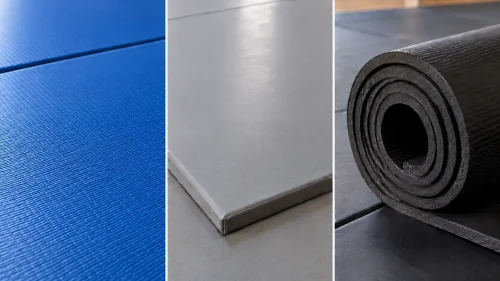
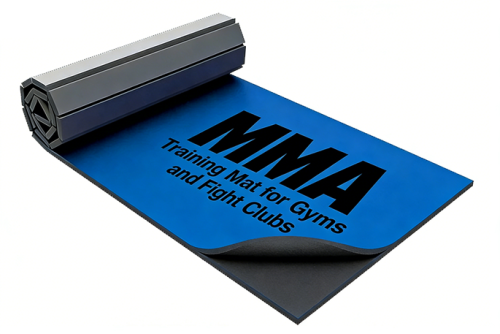
Selected Crosste roll-out grappling mats combine a PVC training surface with an XPE foam core. Available constructions and density options are confirmed by model and application.
Layer
What it does for the grappler
PVC surface (vinyl, "PVC leather")
A PVC surface is designed for routine wiping and cleaning; choose a cleaner or disinfectant confirmed compatible with the mat finish and follow the product label.
High-density XPE core
The XPE foam core provides cushioning. Actual firmness and impact response depend on foam specification, thickness and test conditions; request applicable technical data for high-impact training.
Request the foam density (kg/m³), nominal thickness and relevant test information for the exact model. For repeat orders, agree on material specifications and inspection criteria in advance. Service life also depends on installation, use and maintenance.
Surface texture
Available finishes may include litchi-grain, tatami-style and smooth PVC. Grip and skin feel vary by surface construction, footwear, moisture and use; request samples to evaluate the intended training style.
Thickness
Commonly selected thicknesses for grappling applications include approximately 3–5 cm, but suitability depends on foam characteristics and whether standing throws are involved. Ask Crosste to confirm available thicknesses for the specific model; do not select by thickness alone. MMA mat thickness scales with training load, which the MMA mat thickness guide breaks down.
Format and seams
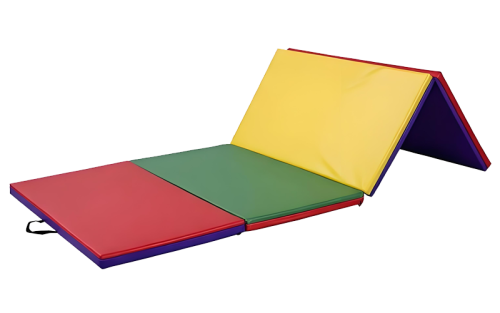
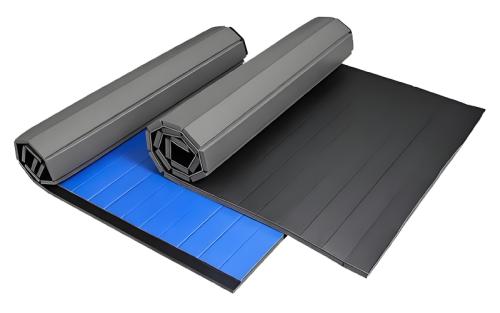
Roll-out mats are supplied in model-dependent roll widths and cut lengths. Share the room dimensions, floor plan and storage requirements so the factory can confirm a practical panel layout and joining method.
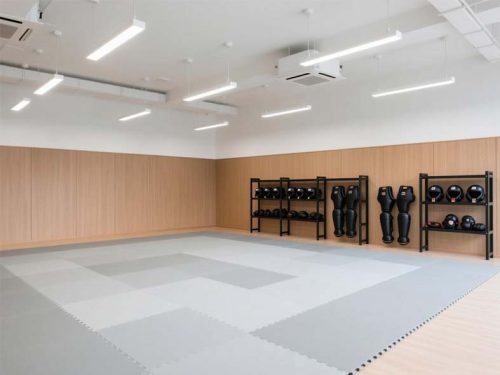
Modular panels suit competition-style layouts, as in Crosste's wrestling mats.
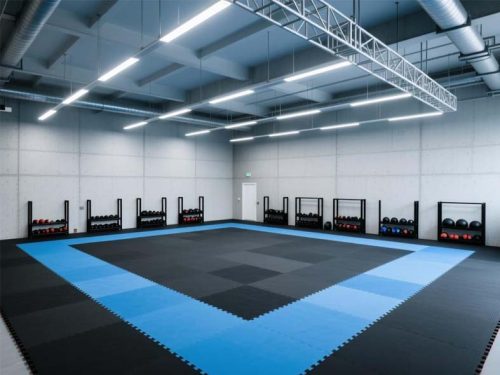
Interlocking tiles move easily but add seams.
Joint design matters as much as joint count. Confirm the joining method, edge finishing, subfloor condition and measures to prevent mat movement before installation.
Cleaning
Remove debris, clean the surface with a mat-compatible product, and use an approved disinfectant only where compatible with the finish. Follow the label dilution and contact time, then allow the mats to dry before use or storage.
What Does a Grappling Mat Cost?
Price depends on foam formulation, surface specification, thickness, overall quantity, branding and packing. Freight can also be significant because rolled mats occupy substantial shipping volume.
Grappling mat cost depends on size, thickness, foam specification, surface finish, branding and freight. Crosste does not publish list prices. Send your floor area, preferred construction, quantity and destination for a factory quotation.
Lead time, color-matching options and export packing are confirmed against the approved specification, order quantity and production schedule. Send your requirements for a factory quotation.
Choosing a Grappling Mat
Work through four questions:
Discipline: gi BJJ, no-gi, wrestling or MMA sets texture and thickness.
Space: measure the room, then pick a roll width and cut length.
Check that the subfloor is level, clean and compatible with the mat system. Confirm anti-slip measures, seam joining and perimeter restraint where needed; do not assume a flat floor prevents movement.
Budget: weigh density and thickness against freight.
Crosste manufactures grappling mats through its own factory and supports wholesale and OEM projects. Share your training discipline, room dimensions, preferred mat format, target thickness, required quantity and destination. Our team can review suitable production options and provide a specification-based quotation.
FAQ
How thick should mats be for grappling?
About 1.5–2 in (roughly 4–5 cm) is common for BJJ and wrestling. Go thicker if athletes practice throws and takedowns, and thinner for ground-only drilling. Very soft, deep mats can reduce stability when standing. Crosste makes BJJ mats from 2 to 6 cm, so thickness can match how your athletes train.
What are jiu-jitsu mats called?
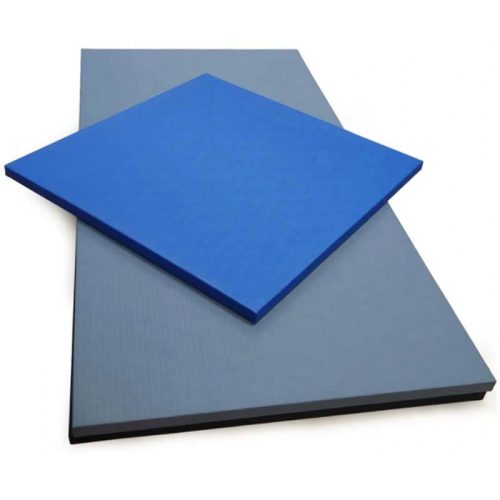
They are sold as BJJ mats, jiu-jitsu mats, grappling mats, roll-out mats, puzzle mats or tatami mats. The names overlap, and "tatami" can mean either the woven-style texture or a judo-style mat. Check construction, thickness and format rather than relying on the label alone.
Why are BJJ mats so expensive?
Dense foam, a durable PVC surface, large coverage area and heavy freight drive the price. Cheaper mats often use thinner or lower-density foam that compresses sooner and may need replacing earlier. Because mats are bulky, shipping can add a significant share to the delivered price.

 Home Use Roll Up Wrestling Mat for Training and Practice
 Custom MMA Mats
 BJJ Mats Durable Training Mats for Martial Arts Gyms
 Judo Tatami Custom Size Mats for Academy and Competition
 Judo Flooring Customizable Mats for Schools and Academies
 Judo Mat Durable Training Mat for Dojos and Clubs
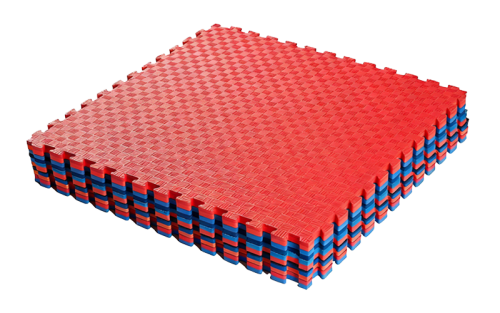 Karate Mats Impact Absorption for Dojo Training
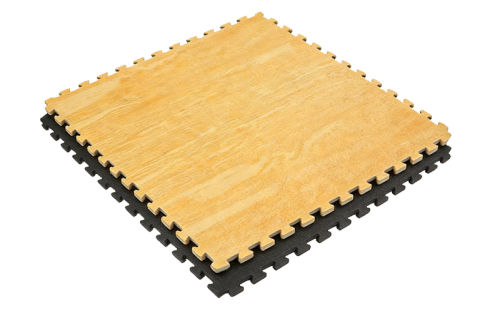 Wood Grain EVA Taekwondo mat Durable Anti Slip Flooring for Dojos