How to Choose the Right MMA Mat Thickness for Your Gym: A 2026 Buyer’s Guide
For most MMA gyms, the right mat thickness sits between 40mm and 50mm — enough cushioning to absorb takedowns and ground impact, but firm enough to stay stable under footwork and striking. Go thinner (20–30mm) if your training is mostly stand-up striking on a wooden subfloor; go thicker (60mm+) only if you're handling judo-style throws or covering a hard concrete slab. The real decision isn't just a number on a spec sheet — it's matching thickness to training style, core material, core density, and the floor underneath.
Why Thickness Alone Doesn't Tell the Whole Story
Here's the mistake we see almost every week: a buyer asks for “the thickest mat you have” assuming thicker equals safer. It doesn't. A 50mm mat with a low-density core can feel softer and less protective than a 40mm mat made with the right high-pressure sponge core.
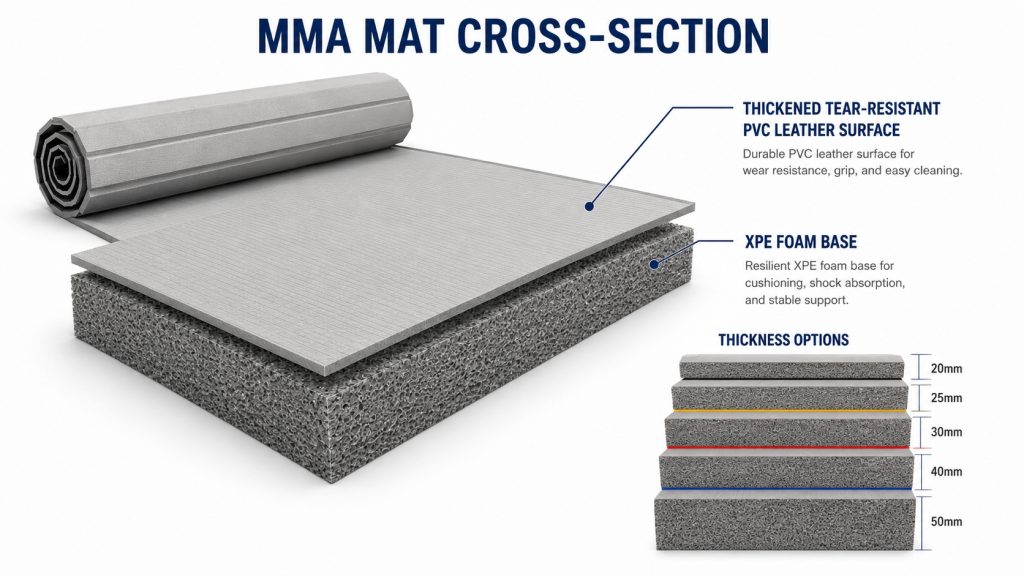
Thickness, core density, and the cover material work as a system. For judo mats and high-impact MMA training areas, a high-pressure sponge core is the preferred choice because it provides better impact support and compression resistance. XPE can be used as a secondary option, while EVA and EPE are not recommended for serious takedown or throw-heavy training because they compress more easily and offer weaker long-term support.
Before you commit to a thickness, ask your supplier for the core material, density spec, and shock absorption rating. Without those details, you're guessing.
Cross-section of MMA mat showing high-pressure sponge core and vinyl cover layers
Matching Thickness to Your Primary Training Style
Your dominant discipline should drive the decision. A pure striking gym and a grappling-heavy academy have opposite needs.
Stand-up striking (boxing, Muay Thai, kickboxing)
Aim for 20–30mm. Fighters need a stable platform to pivot, slide, and plant. Too much give and you'll roll ankles or lose power on kicks. Most pro Muay Thai gyms use 30mm tatami-surface mats over a wooden subfloor.
BJJ and submission grappling
Go with 40mm as the standard. Bodies are constantly hitting the floor, but rarely from height. 40mm gives enough cushion for sweeps and guard passes without feeling unstable during scrambles.
Full MMA (striking + grappling + takedowns)
40–50mm is the sweet spot. You need takedown protection without sacrificing stability for stand-up work. This is what most commercial MMA academies specify.
Judo, wrestling, throw-heavy training
50–60mm minimum, ideally over a sprung subfloor. For dedicated throwing areas, look at our crash mat and judo mat lines in the 60–100mm range.
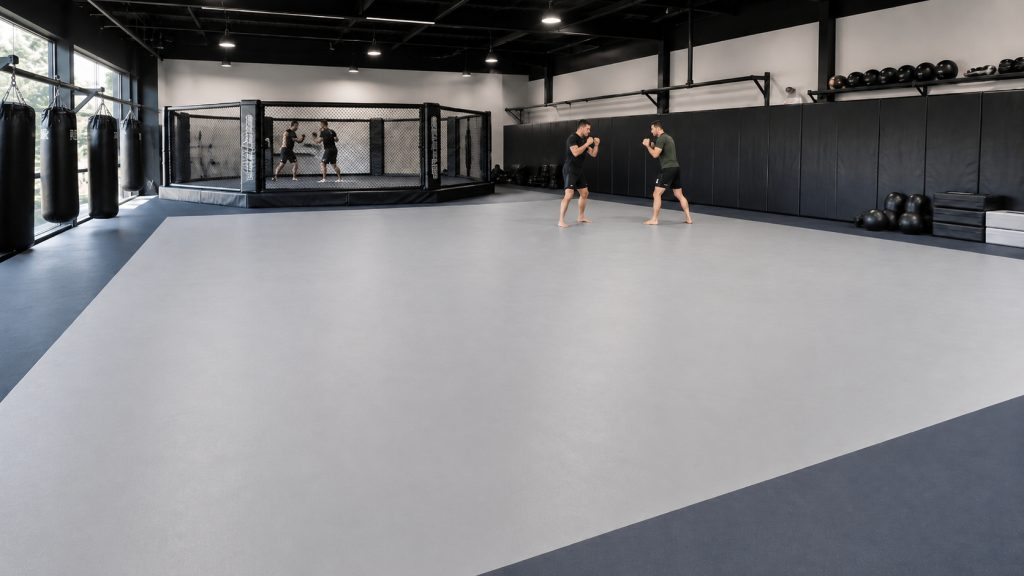
MMA gym interior with tatami mats covering the training area
The Subfloor Question Most Buyers Forget
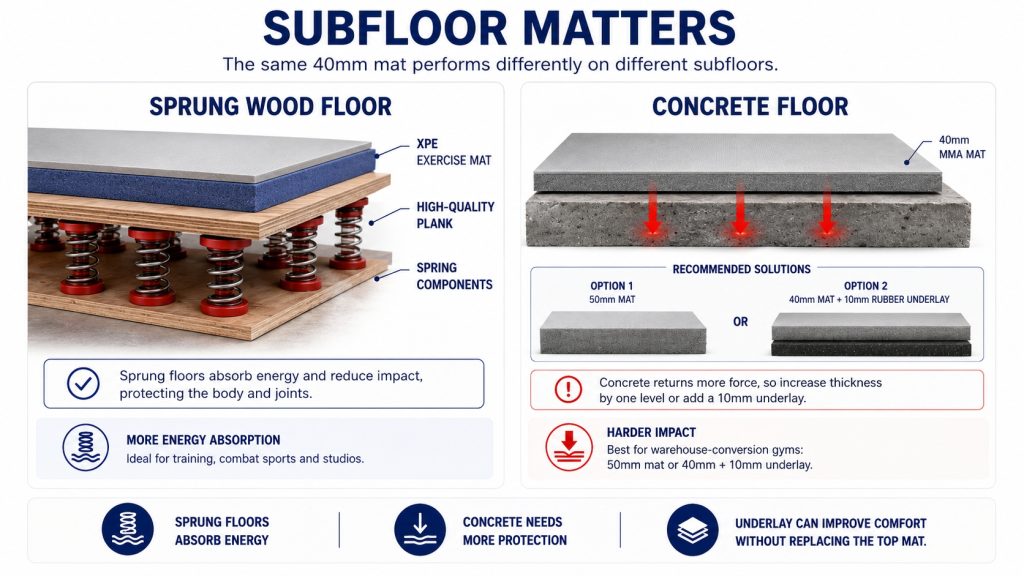
What's under the mat matters as much as the mat itself. The same 40mm mat behaves completely differently on concrete versus a sprung wood floor.
If you're installing directly over concrete — which is the case for most warehouse-conversion gyms — bump your thickness up by one tier. A gym that would normally use 40mm on wood should specify 50mm on concrete, or add a 10mm underlay.
For example, a BJJ academy we supplied in a converted industrial unit initially ordered 40mm mats. After two months, athletes complained of joint soreness during long rolling sessions. We added a 10mm rubber underlay beneath the existing mats and the complaints stopped — no need to replace the top layer. If you're planning a similar fit-out, check our facility planning solutions before ordering.
Sprung floors (common in older dojos and gymnastics halls) let you go thinner because the subfloor itself absorbs energy. Concrete gives back nothing, so the mat has to do all the work.
Athlete Weight and Skill Level
A 70kg beginner taking their first ukemi falls differently than a 110kg heavyweight executing a double-leg. Heavier athletes and higher-impact training both demand more thickness.
Youth and recreational adults (under 80kg average): 30–40mm is usually sufficient.
Mixed adult population (80–100kg): 40mm is the safe baseline.
Heavyweight or pro fight team: 50mm minimum.
Skill level matters too. Beginners fall badly — flat, hard, and often from awkward positions. A beginner-focused academy benefits from going one tier thicker than the discipline alone would suggest. Once athletes master breakfalls, you can rely more on technique and less on the mat.
Core Material and Density: The Spec That Actually Predicts Lifespan
Two mats can look identical and feel the same on day one. Six months later, one is permanently dented and the other still rebounds like new. The difference is the core material and density.
For MMA, judo, and throw-heavy training areas, core material matters more than thickness alone:
High-pressure sponge core: The preferred choice for judo mats, MMA mats, and high-impact training areas. It offers better impact support, compression resistance, and long-term rebound for commercial use.
XPE core: A secondary option for some training areas, especially when weight or budget needs to be balanced, but it is still less ideal than high-pressure sponge for judo-style throws and repeated takedowns.
EVA core: Softer and lower-cost, but not recommended for adult MMA or judo training areas because it compresses faster and provides weaker long-term support.
EPE core: The lowest-priority option for this type of application and not recommended as the main core material for high-impact training floors.
A commercial MMA gym running long daily training hours should choose a high-pressure sponge core with the right density for repeated impact. A low-density EVA or EPE core may compress much faster, making it more expensive over its lifecycle even if the upfront cost is lower.
Modular Tatami vs. Roll-Out Mats vs. Folding Mats
Thickness interacts with format. The way the mat is delivered changes what thicknesses are practical.
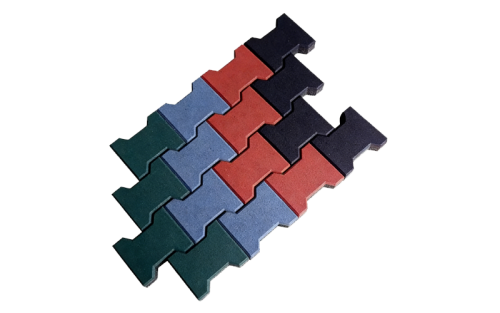
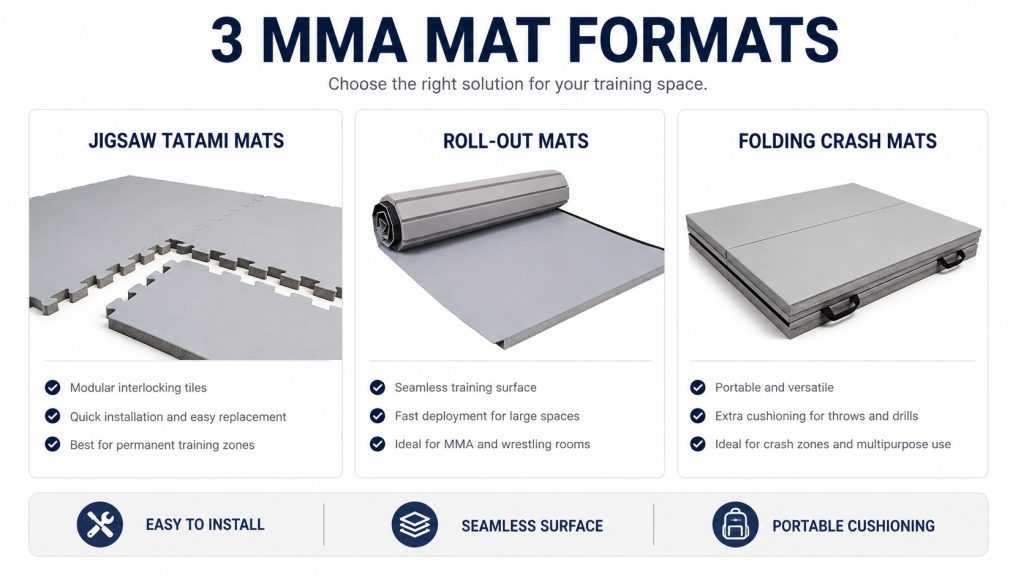
Jigsaw / puzzle tatami
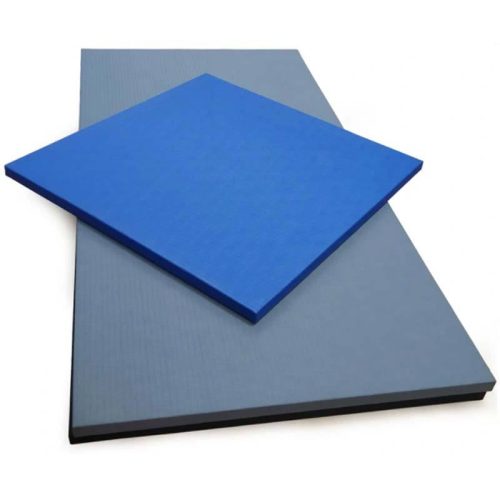
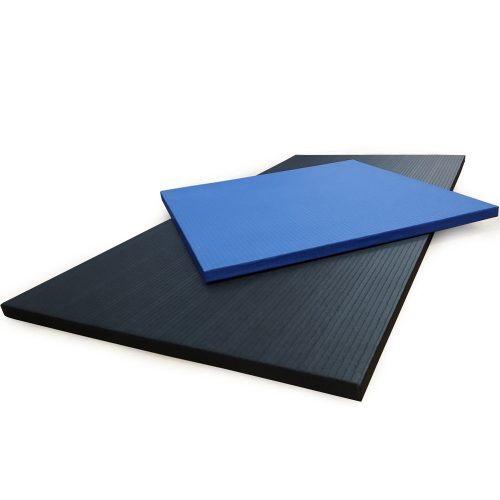
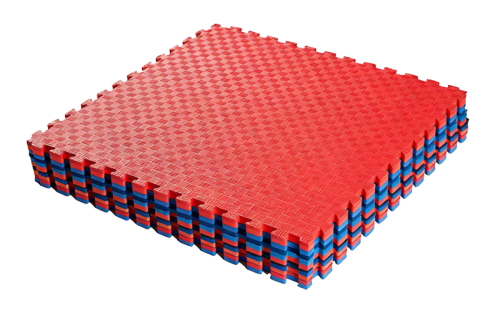
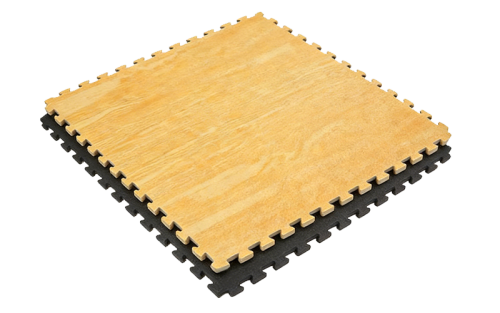
Common thicknesses: 30mm, 40mm, 50mm, 60mm. Easy to install, replace, and ship. Best for permanent installations up to 40mm — beyond that, edge gaps become a tripping risk.
Roll-out mats
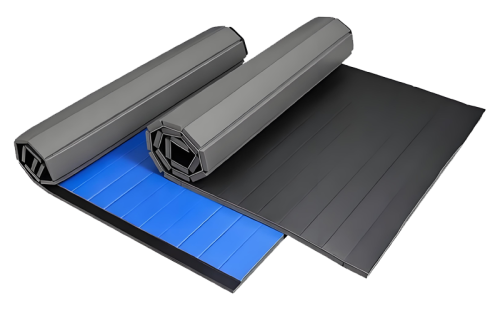
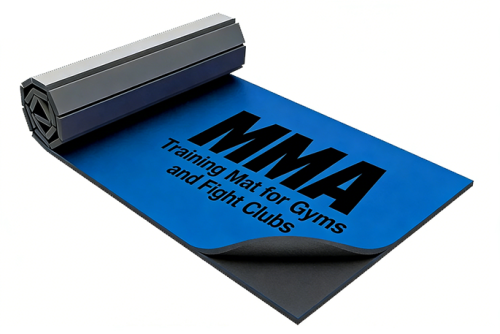
Typically 40–50mm. Seamless surface, ideal for competition areas and wrestling rooms. Heavier and harder to relocate, but the gold standard for serious MMA training.
Folding mats
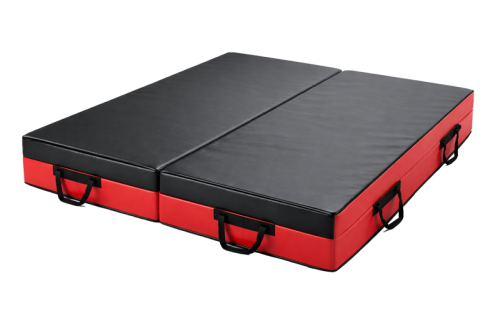
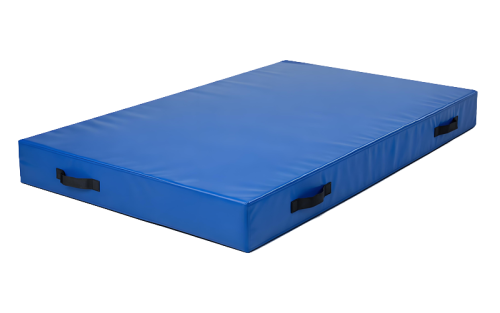
50–100mm, used for crash zones and throwing areas. Not a primary floor surface — they're tools for specific drills.
A practical example: a multi-purpose gym in Germany used 40mm jigsaw tatami across the main floor for daily classes, then rolled out a 50mm folding crash mat for takedown technique sessions. They got versatility without over-spending on thickness they only needed sometimes.
Comparison of jigsaw tatami, roll-out mat, and folding crash mat formats
Budget Reality Check: Where to Spend and Where to Save
If you're outfitting a 200m² MMA gym, mat thickness drives a big chunk of your capex. Here's how to allocate intelligently.
Spend on: Core material, core density, cover material (1.0mm+ anti-slip vinyl), and the primary training area. This is where injury risk and replacement cycles hit hardest.
Save on: Warm-up zones, equipment areas, and reception flooring. A 20mm mat in a stretching corner is fine — nobody's getting slammed there.
For bulk orders, custom thickness is usually available without significant price increase once you're above 100m². If you're a distributor or fitting out multiple facilities, our OEM and ODM program lets you specify exact thickness, core material, density, color, and logo printing per location.
Quick Decision Framework
Still on the fence? Walk through these five questions in order:
What's the dominant discipline? Strikes → thinner. Grappling → thicker.
What's the subfloor? Concrete adds 10mm to your minimum.
What's the average athlete weight? Heavier means thicker.
What's the daily usage volume? 8+ hours of daily use demands a better core material and higher density.
Is the space single-purpose or shared? Shared spaces benefit from modular formats with mixed thicknesses by zone.
Answer those honestly and you'll land within a 10mm range almost every time. From there, core material, density, and cover spec finalize the order.
Get a Spec Sheet, Not Just a Price
The single best thing you can do before ordering: request a full spec sheet that lists thickness, core material, density, cover thickness, anti-slip rating, and warranty period. Any supplier worth working with will provide this in under a day. If they hedge on the core material or only gives vague “foam” descriptions, walk away.
At crosstemat we manufacture MMA mats from 20mm to 100mm with custom core material, density, color, and logo options for gyms, schools, and distributors worldwide. If you'd like a tailored recommendation based on your floor plan and training mix, send us your project details and we'll spec the right thickness for your facility — not just the most expensive one.

 Home Use Roll Up Wrestling Mat for Training and Practice