Tatami vs. Smooth Surface Judo Mats: Which One Wins for Your Dojo?
Tatami-textured judo mats win for traditional judo, jujitsu, and aikido dojos — the embossed rice-straw pattern gives feet enough grip to plant, pivot, and throw without sliding. Smooth surface mats win for wrestling rooms, MMA gyms, and multipurpose facilities where athletes need to slide on the ground and where staff want fast, easy cleaning. The right choice comes down to what happens on the mat 80% of the time, not what looks best in photos.
The Short Answer: Match the Surface to the Sport
If your dojo is 70%+ standing throws and gi grappling, choose tatami. If it’s 70%+ ground game, takedowns from clinch, or no-gi rolling, go smooth.
Why? The whole purpose of a tatami pattern is to mimic the friction of traditional woven straw — enough bite for a tori’s foot to anchor during seoi-nage, not so much that an uke gets mat burn on a hip throw. Smooth vinyl, on the other hand, is engineered to let bodies slide laterally during scrambles without snagging skin or toes. Use the wrong surface and you create two problems: poor performance and avoidable injuries.
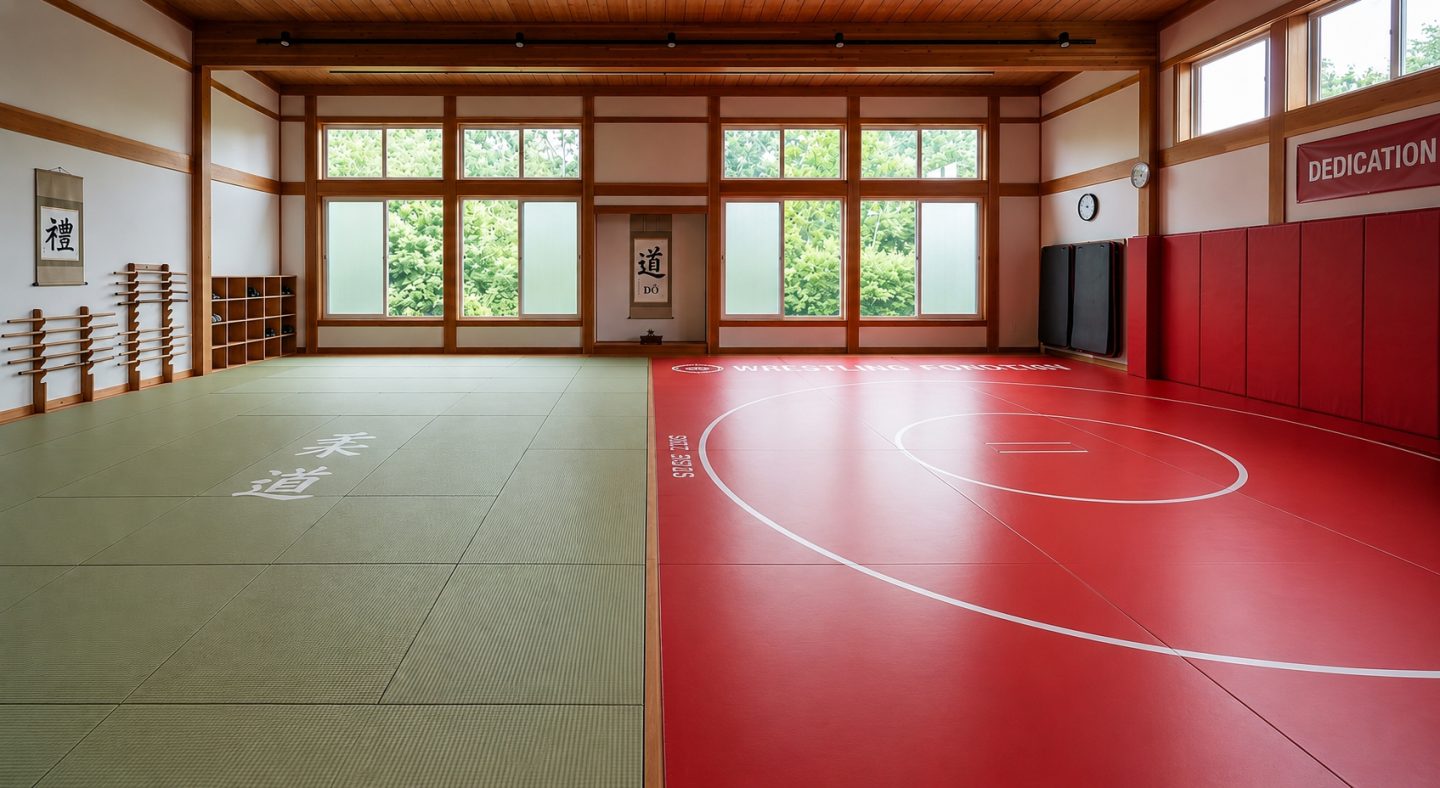
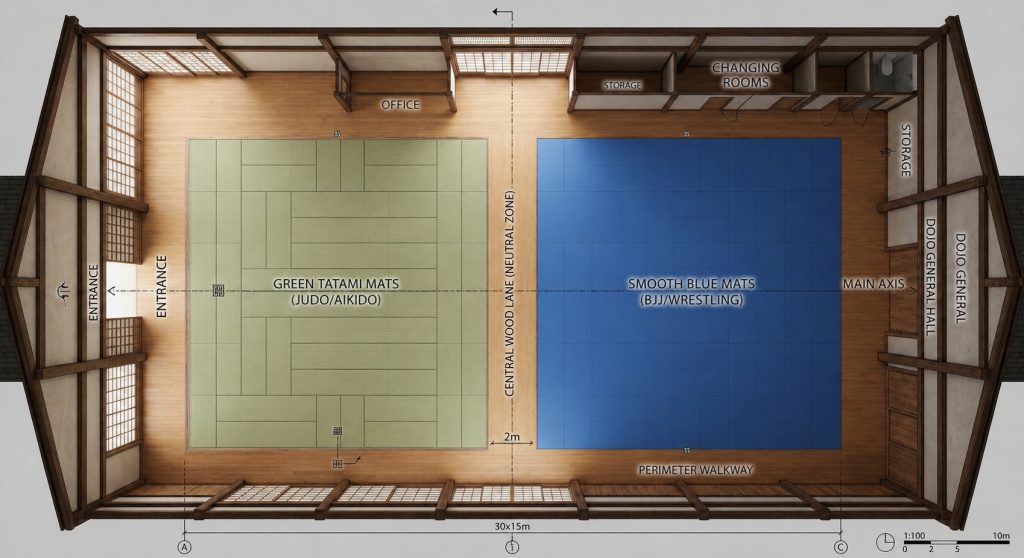
Most schools we supply through our OEM & ODM program end up ordering one of three layouts: 100% tatami, 100% smooth, or a hybrid floor split between a throwing area and a ground area.
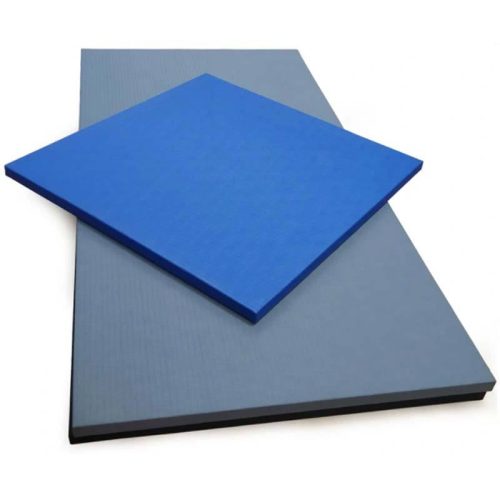
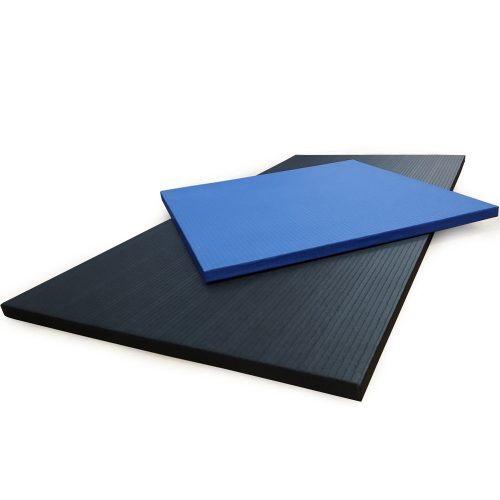
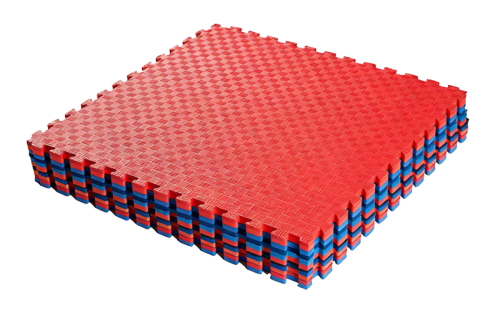
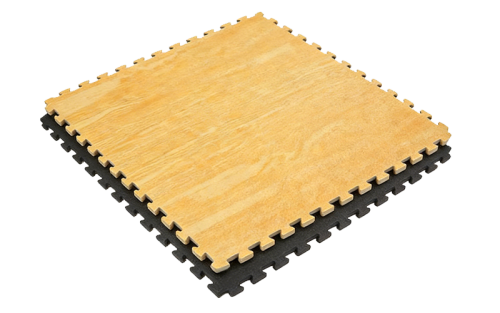
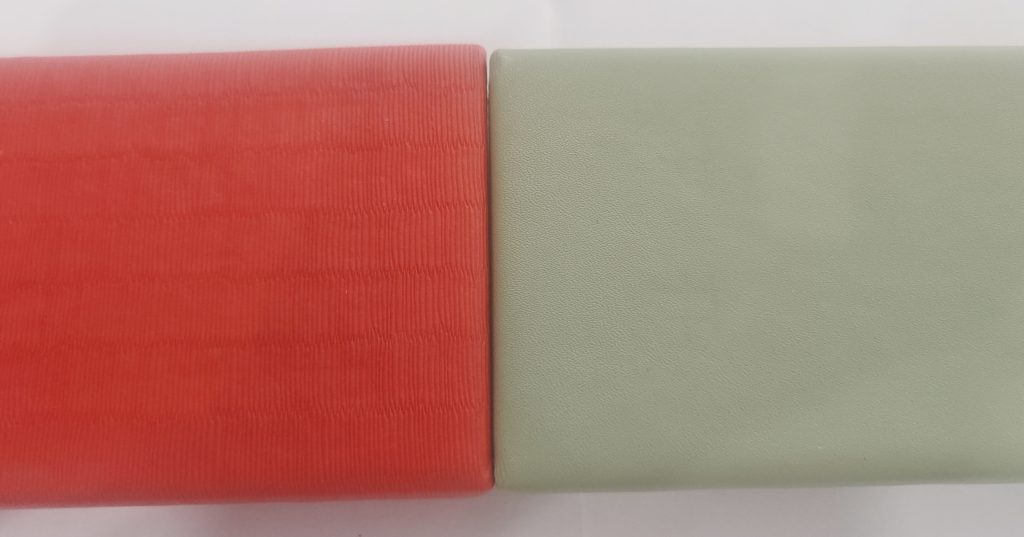
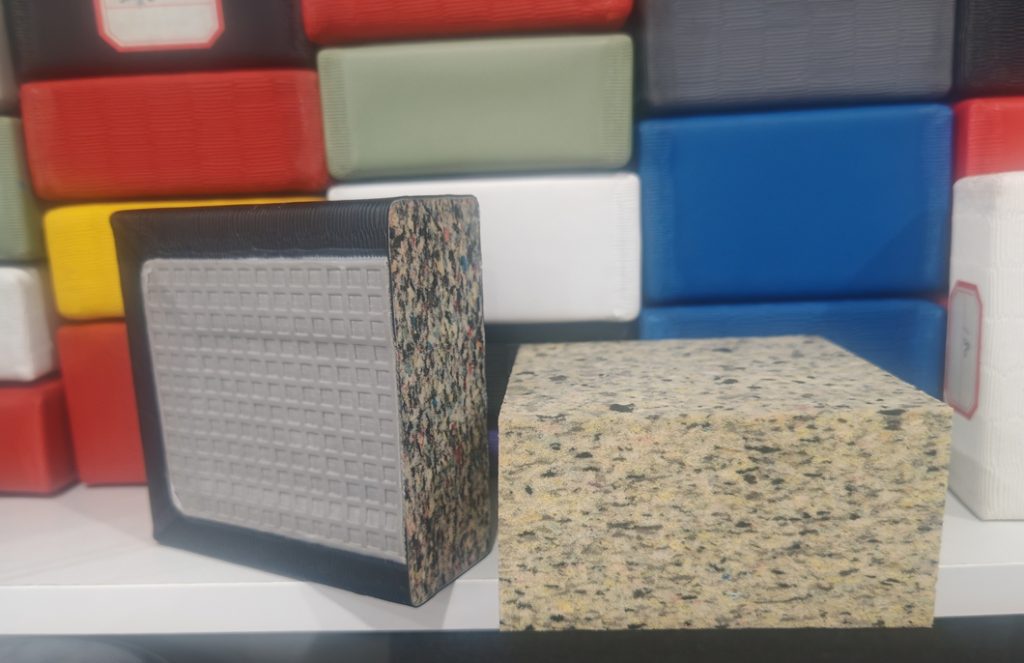
Close-up comparison of tatami textured and smooth surface judo matsHybrid dojo floor plan with tatami and smooth mat zones
What Tatami Texture Actually Does
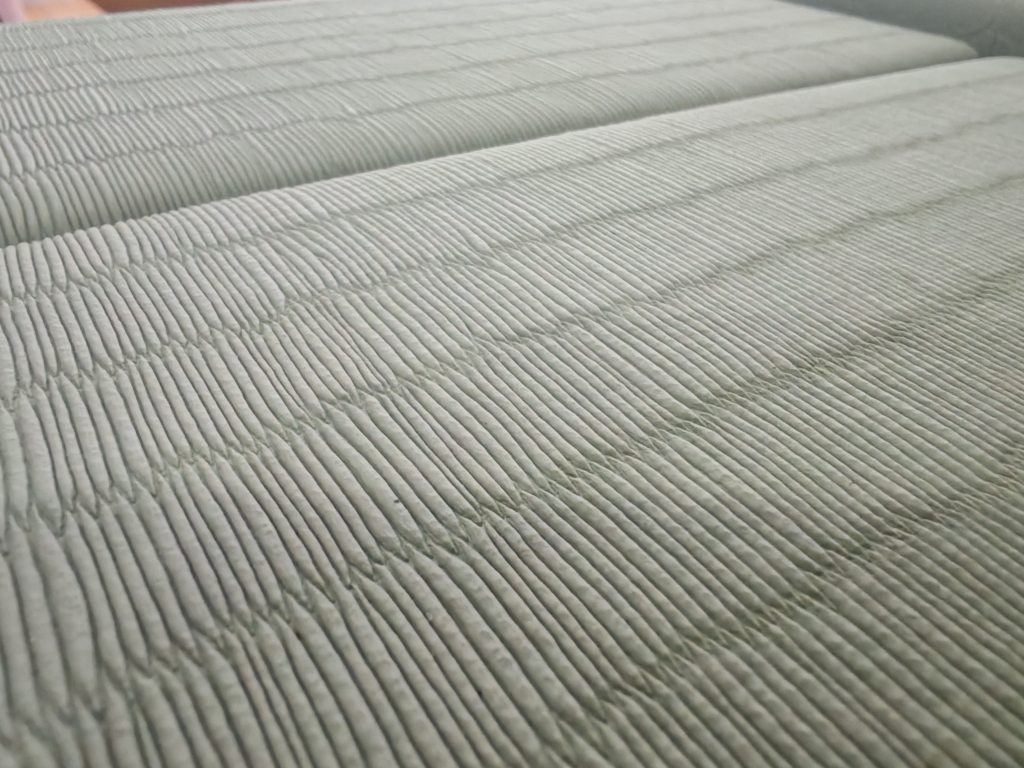
Tatami isn’t decorative — it’s a functional friction pattern. The raised lines (usually 1–2 mm high in modern PVC or vinyl skins) create thousands of micro-contact points with bare feet and gi fabric.
Why throwers love it
Plant foot stays planted. No micro-slips when loading a throw.
Predictable ukemi. The body decelerates instead of sliding into walls or other pairs.
Gi grip carries over. Knees, hips, and elbows don’t skate when working from turtle or guard.
Where it gets in the way
Tatami can chew up bare knees and toes during long no-gi rounds. Wrestlers shooting doubles on tatami often complain about toe drag, and BJJ no-gi schools sometimes see hot spots on the tops of feet after week one. If your athletes train in shorts and rash guards most of the year, the texture works against you.
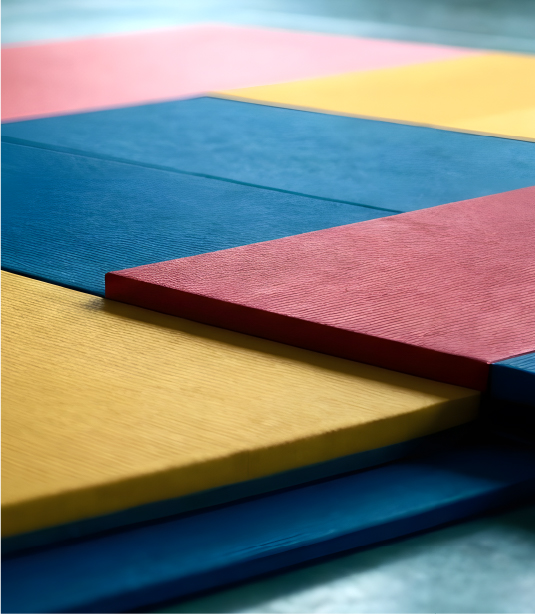
Macro detail of tatami pattern on a judo mat surface
Where Smooth Surface Mats Earn Their Keep
Smooth surface mats are the default in wrestling rooms for a reason: the sport is built around sliding, sprawling, and dragging an opponent across the floor. The same logic applies to MMA ground work and no-gi BJJ.
Real-world example
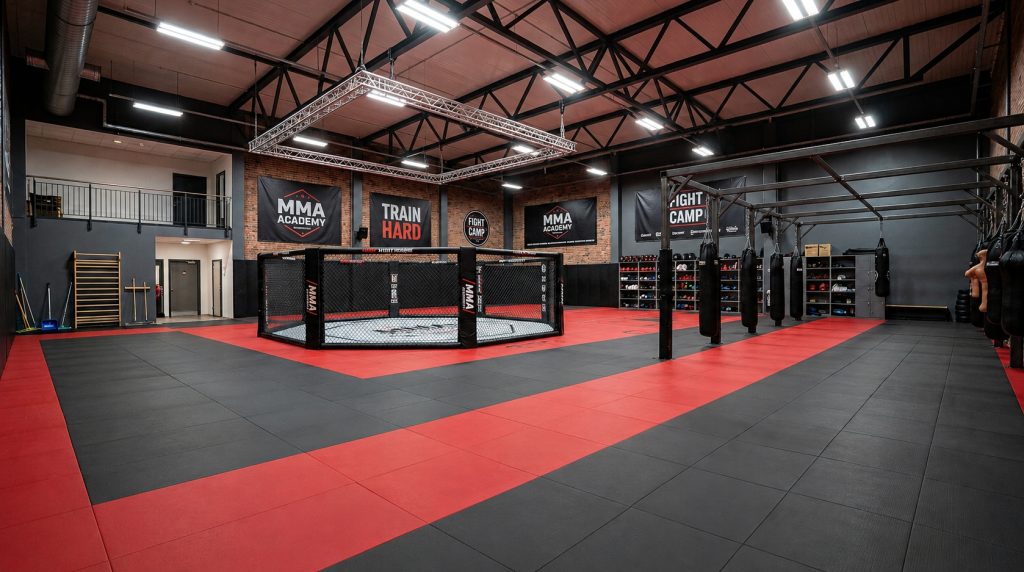
A regional MMA gym we supplied last year started with full tatami because the head coach trained in judo. Within two months they swapped half their floor to smooth surface — fighters were getting friction burns during cage-simulation drills, and the texture was slowing down their scramble work. The hybrid setup (tatami for striking and clinch, smooth for ground) solved both problems without needing to replace the entire floor.
Cleaning is a hidden advantage
Smooth surfaces wipe down in a single pass. Tatami texture traps sweat and dust in the grooves, which means a slower disinfecting routine and, over time, more visible discoloration in high-traffic lanes. If you run 12+ classes a day and your staff cleans between every block, smooth saves real labor hours.
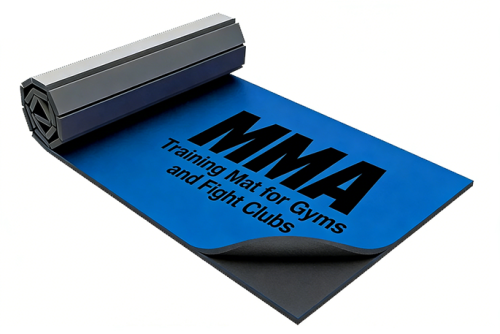
Modern MMA gym floor with smooth surface mats
Side-by-Side Comparison
Here’s the quick reference most procurement teams want before they request a quote:
Criteria
Tatami Surface
Smooth Surface
Best for
Judo, jujitsu, aikido
Wrestling, MMA, BJJ no-gi
Grip underfoot
High (textured)
Low (slick)
Throw safety
Excellent — no slide on landing
Moderate — body slides
Skin abrasion risk
Low for gi grappling
Higher for no-gi rolls
Cleaning effort
Slightly more
Very easy — wipe down
Typical density
190–270 kg/m³
190–270 kg/m³
Aesthetic
Traditional dojo look
Modern gym look
Note that density and core foam are usually identical between the two — the main difference is the top surface texture. When thickness and density are the same, tatami-textured and smooth surface judo mats are priced the same. The final price is mainly affected by mat thickness and foam density, not the surface type.
Density and Thickness Matter More Than Surface
Before you obsess over texture, get the core foam right. A premium tatami skin glued to under-spec foam is still a bad mat.
Wrestling / MMA ground: 40 mm, smooth top, firmer foam for fast footwork.
BJJ no-gi: 30–40 mm smooth, medium density so the mat doesn’t feel “dead” during scrambles.
Browse our full lineup on the products page to compare core constructions, or check our facility solutions if you’re planning a multi-discipline room from scratch.
Cross-section of a judo mat showing foam core and top skin
Hybrid Floors: When You Don’t Have to Choose
Plenty of dojos run two disciplines under one roof. A hybrid layout solves the “judo half / BJJ half” problem without compromising either side.
Common hybrid layouts
50/50 split: Half tatami, half smooth, divided by a visible color line for class flow.
Perimeter + center: Smooth center zone for ground work, tatami border for throws and warm-ups.
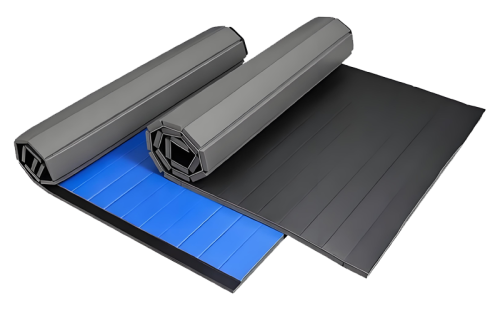
Roll-out smooth on tatami: A thin roll-out mat over tatami for occasional wrestling classes (cheaper but not ideal for daily use).
For example, a university combat sports program we worked with installed 120 m² of tatami for their judo club and 80 m² of smooth surface for their wrestling team in the same room, separated by a 2 m neutral lane. Two clubs, one floor, zero arguments about whose surface it is.
What About Color, Logos, and IJF Compliance?
Both surface types can be color-matched and logo-printed. The texture doesn’t limit branding options — it limits print sharpness slightly. Smooth surfaces hold finer logo detail; tatami diffuses sharp edges by maybe 10–15%.
Competition considerations
If you’re building a competition-ready judo area, tatami is the expected surface. IJF events use textured tatami panels in the standard contest area (red) and safety zone (yellow or blue) configuration. Hosting tournaments without a tatami surface puts you outside what most competitors and referees expect.
For non-competition training spaces, that constraint disappears — the surface is purely a performance and maintenance decision.
Buying Checklist Before You Order in Bulk
Before signing a PO, walk through this list with your supplier:
Confirm core foam density in kg/m³, not just “high density.”
Request a sample of both surfaces — feel the texture under bare feet, not just hands.
Check edge finish and panel fit — the mats should sit flat, align neatly, and leave no unsafe gaps after repeated use.
Verify fire certification if you’re selling into schools or public facilities.
Ask about color fastness under UV and sweat — cheap vinyl skins fade in 6–12 months.
Get lead times in writing, especially for custom colors and printed logos.
If you’re sourcing for a distributor catalog or a multi-site rollout, our team can spec both surfaces in matching cores so your customers can choose without changing suppliers. Reach out via the contact page with floor area, discipline mix, and color preferences, and we’ll send a sample pack and a bulk quote.
The Bottom Line for Dojo Owners
Pick tatami if your athletes throw, plant, and pivot in gi. Pick smooth if they scramble, slide, and grapple in shorts. Build a hybrid if you run both — it costs slightly more upfront but saves you from replacing a half-wrong floor in two years.
The mistake we see most often is buying based on what other gyms look like in social media photos rather than what actually happens during a typical week of classes. Spend 30 minutes watching your own schedule before you spend $10,000 on a floor.
When you’re ready to spec it out, the team at crosstemat can match foam density, surface texture, and custom branding to your exact discipline mix — single dojo or 50-site rollout.

 Home Use Roll Up Wrestling Mat for Training and Practice