HomeBlogGuideBJJ Gi Explained: What It Is and How to Choose One
BJJ Gi Explained: What It Is and How to Choose One
A BJJ gi typically consists of a jacket, trousers and belt. Fabric construction, fit and competition requirements influence the right choice for training, academies and bulk orders.
In your brief, specify the BJJ gi fabric, weave and target GSM along with fit and any competition rules; we confirm what we can build in the written quotation.
What Is a BJJ Gi?
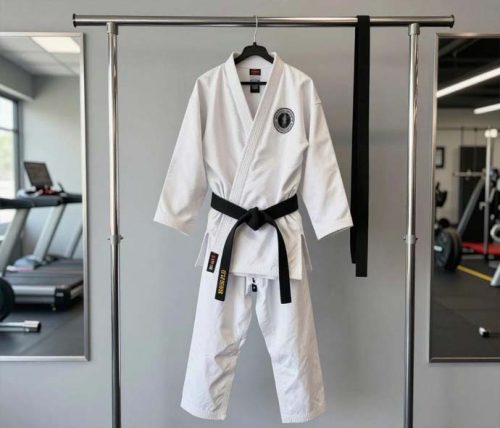
A Brazilian jiu-jitsu gi is a durable grappling uniform, typically made with woven cotton or cotton-like fabric. Its jacket and trousers are designed to withstand repeated gripping, making fabric, reinforcement and fit important selection factors.
The Three Parts of a BJJ Gi
Jacket: A woven grappling jacket with a reinforced collar, lapels and stress-point stitching for repeated gripping. Collar construction varies by model.
Pants: Usually lighter than the jacket, often ripstop or twill, with a drawstring and reinforced knees.
Belt: Indicates the practitioner’s rank; belt colors and dimensions should follow the requirements of the relevant organization or event.
BJJ Gi vs. Judo Gi: Key Differences
Feature
BJJ Gi
Judo Gi
Cut & Fit
Generally a closer, more tailored fit
Generally a roomier cut with a longer jacket
Sleeves
Typically narrower, with a more tapered design
Generally wider, allowing more room for gripping
Collar
Reinforced collar with thickness and stiffness varying by model
Reinforced collar designed to withstand repeated gripping
Fabric Weave
Commonly pearl weave; other constructions available
Traditionally sashiko weave; fabric construction varies by model
Fabric Weight
Lightweight to heavyweight options, depending on intended use
Training and competition models available in different fabric weights
Reinforcement
Reinforced seams and stress points for grappling
Reinforced construction for repeated gripping and throwing
Primary Use
Brazilian Jiu-Jitsu training and competition
Judo training and competition
Judo jackets commonly feature textured woven fabrics designed for repeated gripping, while BJJ gis are often offered in pearl-weave constructions. Actual fabric weight depends on the model and specification.
Pearl weave and other fabric constructions, with material composition and GSM confirmed by model.
Weave, Weight and Stitching
Weight is measured in GSM (grams per square meter). Illustrative jacket-fabric weight examples—not official grades:
Class
GSM
Trade-off
Lightweight
under ~400
Cooler, easier to weigh in; easier to grip
Heavyweight
over ~500
Harder to grip; hotter and slower to dry
Look for pre-shrunk cotton and multiple stitch rows at the lapel, underarms and crotch. Common defects are popped seams, a collar that flattens after washing and uneven shrinkage. Hot washing and machine drying shrink cotton, so air-dry.
For OEM orders, buyers should confirm jacket weave, collar construction, seam reinforcement, trouser fabric, size tolerances and washing instructions on a pre-production sample. Any shrinkage or durability claim should be supported by agreed testing methods and results.
Fit, Sizing and IBJJF Rules
BJJ gi sizing commonly uses A-size labels, but measurements differ by manufacturer. Compare jacket length, sleeve opening, trouser length and expected post-wash fit against the supplier’s size chart and the event’s rules.
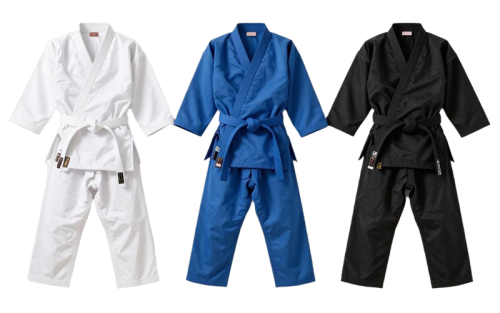
Standard and team colors are available for comparison—including white, royal blue and black BJJ gi jackets and trousers—subject to material availability and approved color samples.
For IBJJF events, verify the current uniform rules before placing a team order. Permitted gi colors include white, royal blue and black; fit, lapel construction and patch placement are also regulated. Final acceptance is determined at event inspection.
BJJ Gis for Academies and Teams
For academies and distributors, confirm the adult/youth size split, fabric GSM, permitted colors, embroidery or patch placement, packaging requirements and repeat-order consistency. For a BJJ gi OEM quote, send your target fabric GSM, size breakdown, colors, logo artwork, estimated quantity and destination. Crosste can review the specification and available manufacturing options before quotation.
Crosste handles wholesale BJJ gis factory-direct through OEM/ODM and private-label programs. You buy from the BJJ gi manufacturer, not a reseller—and the same plant can supply matching BJJ mats for one fit-out.
FAQ
What gi should I get for BJJ?
Choose a mid-weight gi in white, royal blue and black, in a fit you can move in. Pick a competition-legal cut if you might compete. Don't overspend on a first gi; after a few months you'll know your preferences for weight, collar and fit.
Is BJJ better with gi or no-gi?
Neither is better. Gi adds grips and slower, more positional play, while no-gi is faster with fewer grips. Many students train both, so choose by your goals and what your school teaches.
What is the 80/20 rule in jiu-jitsu?
It's a coaching saying, not an official rule: a small share of techniques, usually core positions, escapes and submissions, produces most of your results. The takeaway is to drill fundamentals thoroughly before collecting rare moves.
Can I customize BJJ gis for my academy?
Yes. Share your size breakdown, intended fabric, colors, logo placement and order quantity so our factory can assess customization and prepare a quotation.
Need custom BJJ gis for your academy or brand? Send Crosste your specifications and quantity for a factory quotation.

 Home Use Roll Up Wrestling Mat for Training and Practice
 Custom MMA Mats
 BJJ Mats Durable Training Mats for Martial Arts Gyms
 Judo Tatami Custom Size Mats for Academy and Competition
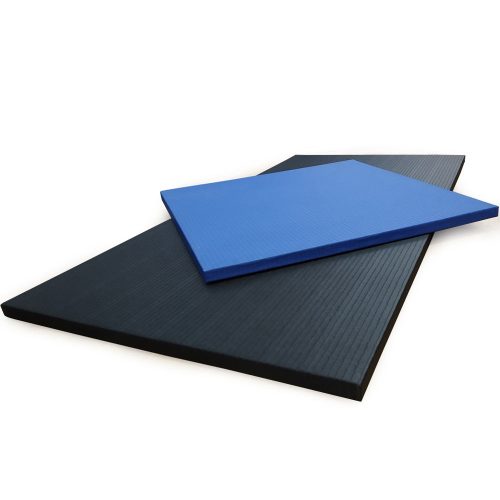 Judo Flooring Customizable Mats for Schools and Academies
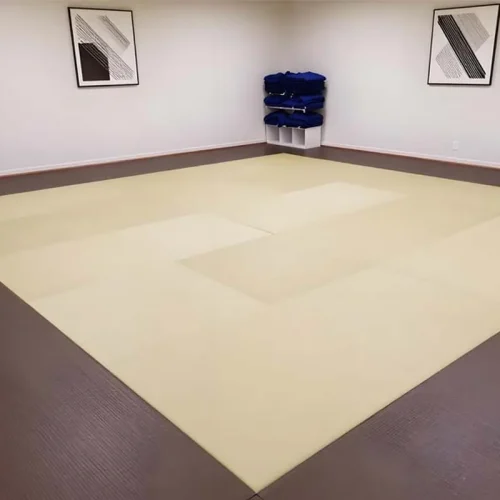 Judo Mat Durable Training Mat for Dojos and Clubs
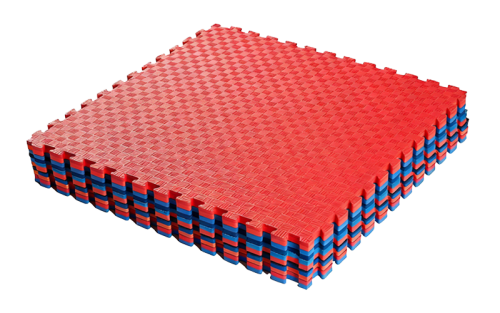 Karate Mats Impact Absorption for Dojo Training
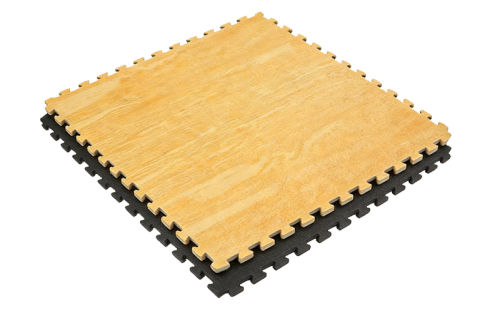 Wood Grain EVA Taekwondo mat Durable Anti Slip Flooring for Dojos