HomeBlogGuideWhat Is a Martial Arts Uniform Called? Types by Art
What Is a Martial Arts Uniform Called? Types by Art
Martial arts uniforms vary by discipline. Traditional gis and doboks commonly include a top, trousers and belt, while MMA and no-gi training typically use fitted tops and shorts.
What Is a Martial Arts Uniform?
Uniform design depends on the discipline: grappling gis prioritize reinforcement at high-stress areas, while striking uniforms emphasize freedom of movement and comfort.
What Is a Martial Arts Uniform Called?
There is no single name. It depends on the art. People often say "gi" for all of them, but that is loose shorthand: the word comes from Japanese arts, and Korean arts use a different term.
Art
Uniform name
Typical pieces
Karate
Karate gi (karategi)
Jacket, trousers, belt
Judo
Judogi
Heavier jacket, pants, belt
Brazilian jiu-jitsu
BJJ gi
Jacket with thick collar, pants, belt
Taekwondo
Dobok
Pullover or wrap jacket, pants, belt
MMA
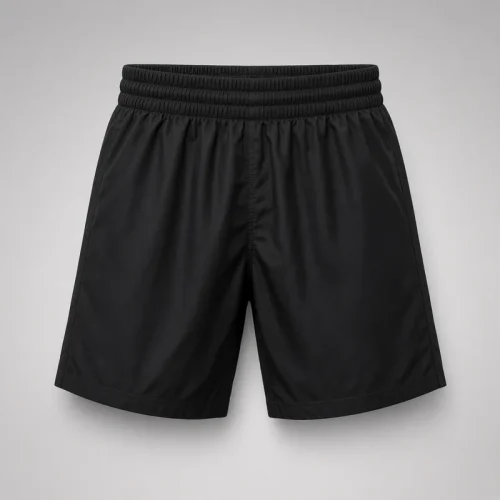
Training uniform, or no-gi wear
Varies by gym
Kung fu
Kung fu uniform or suit
Style-dependent jacket or top, trousers; sash where required
Types of Martial Arts Uniforms
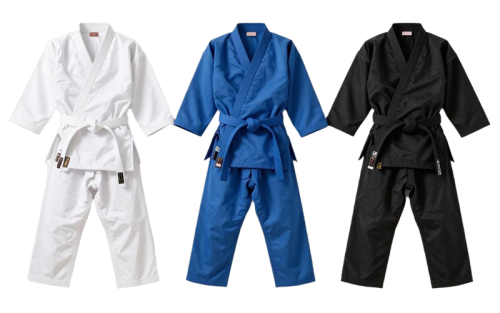
Karate Uniform
Karate gis are available in lightweight and heavier fabrics. Selection depends on kata, kumite, training intensity and school preferences. Crosste can discuss fabric, size grading and logo requirements for club orders.
Judo Gi
Judo gis use woven jackets designed for repeated gripping. Fabric construction, GSM, reinforcement and fit should be compared together rather than judging performance by single- or double-weave labels alone.
BJJ Gi
A BJJ gi typically has a reinforced collar and woven jacket fabric designed for repeated gripping. Collar construction, fabric weight and sleeve fit vary by model and may need to meet event-specific inspection rules.
Taekwondo Dobok
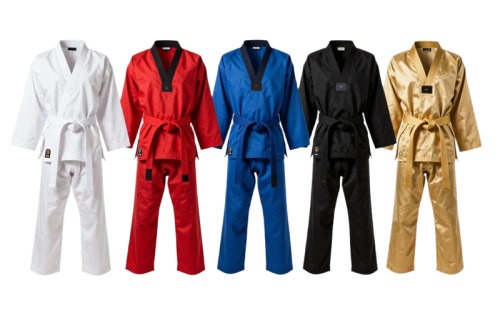
The taekwondo uniform is called a dobok, and there are two main styles:
WT-style doboks commonly use a V-neck pullover top; collar colors and other details depend on rank, age division and the event or school requirements. Confirm the applicable rules before placing competition orders.
ITF-style (wrap): a wrap-over jacket that closes across the chest like a karate gi.
Crosste supplies taekwondo uniforms for school and club inquiries. Available fabric, neckline, sizing and branding options should be confirmed for the selected model.
Kung Fu Uniform
Kung fu uniforms vary by martial arts style and intended use. Common options include relaxed-cut tops and trousers, with closure, fabric and decorative details specified by the school or buyer.
MMA and No-Gi Training Wear
For MMA and no-gi apparel projects, buyers should specify the garment type, fabric composition, size range, intended training use and branding requirements when requesting a quotation.
Competition Colors
Competition uniform rules depend on the organizer. IJF events use white and blue judogi, while IBJJF gi events permit white, royal blue or black under specified conditions. Buyers must verify the current event rules, including fit, fabric and required approvals, before ordering.
What's in a Martial Arts Uniform? (Jacket, Pants, Belt)
Top: Jacket, pullover or fitted training shirt depending on discipline. Check the cut, collar, sleeve construction and movement requirements.
Pants: cut for kicks and ground work, with a drawstring or elastic waist depending on the style.
Belt or sash: Used in many traditional martial arts to indicate rank or complete the uniform; not normally part of MMA/no-gi training wear.
Fabric Weight and Fit: What to Notice
Fabric weight, fiber composition and weave all affect comfort, drying time and durability. Compare the finished garment rather than using GSM alone as a measure of quality. Fit follows the same logic: roomier cuts for striking arts, closer cuts for grappling arts.
Typical market ranges for the jacket fabric are below. They are approximate industry norms and vary by brand, not Crosste specifications.
Art
Typical jacket weight (GSM)
Notes
Karate
~200–300 light, ~400–480 heavy
Light for students, heavy for kata
Taekwondo
~180–280
Light for kicking and speed
Judo
Woven jacket fabric; model-specific GSM
Double weave is stiffer and warmer
BJJ
Pearl weave or other specified fabric
Collar thickness, jacket fit, sleeve opening, reinforced seams. Confirm model GSM and any competition requirements.
Kung fu
~150–250
Light cotton or blends
What Makes a Uniform Last: A Factory View
Several factors affect uniform service life, including fabric construction, seam reinforcement, care practices and consistency of production dimensions.
Reinforcement at high-stress seams can improve durability under repeated training and washing; performance depends on material, use and care.
Ask for the garment measurement chart, washing instructions and any available shrinkage test results. Compare size tolerances before and after laundering when consistency across a club order matters.
Size consistency. A club needs the same size label to fit the same way across the whole batch, so measure against a size chart and confirm whether its measurements are pre-wash or post-wash.
Rules vary by federation and school, so treat these as general expectations and check your own club's:
Wear a clean, washed uniform with no strong odors.
Tie your belt correctly and keep it on for the whole session.
Remove rings, necklaces and other jewelry.
Keep fingernails and toenails short.
Take your shoes off before stepping onto the mat.
Follow your instructor's rules on patches, undershirts and bare feet.
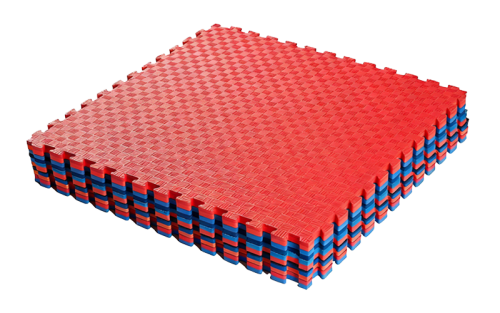
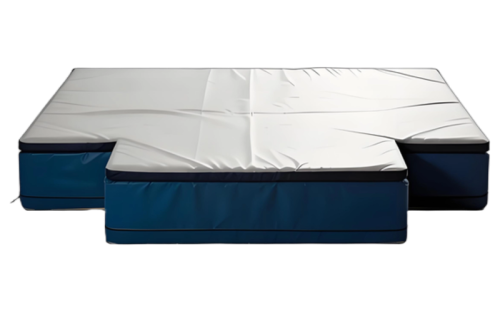
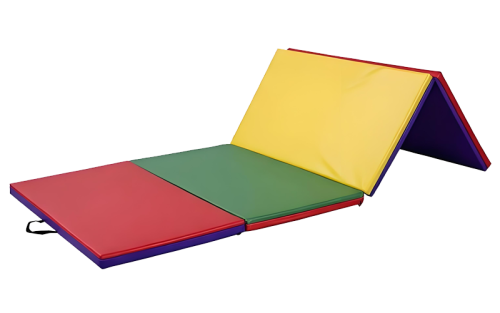
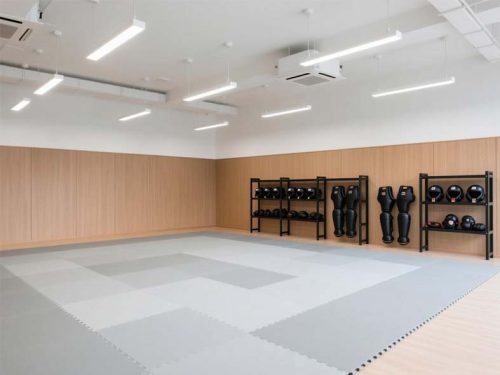
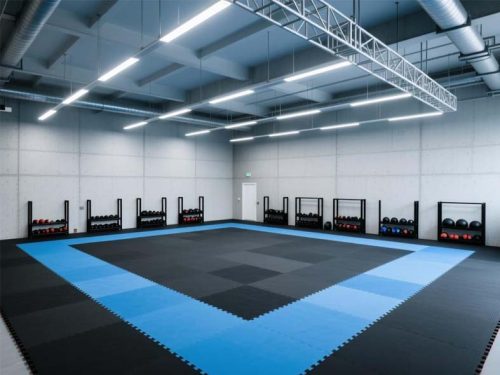
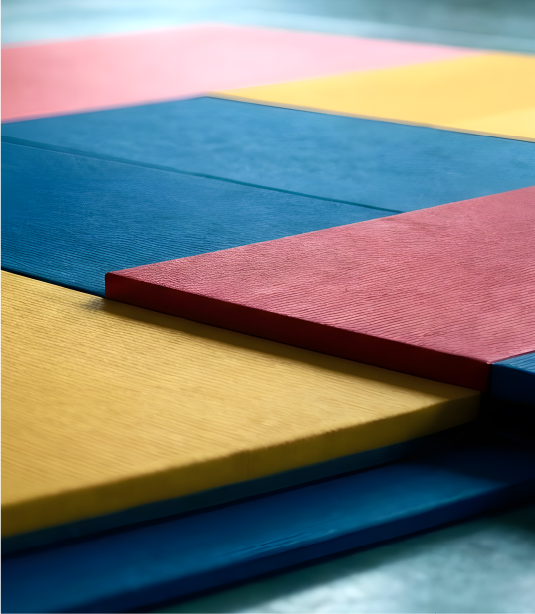
Uniforms are worn on the training surface, so the mat matters too. Judo and karate schools typically train on tatami mats, while grappling gyms use BJJ mats. Mat surface and cleanliness also affect how long a uniform lasts.
Choosing Uniforms for a School, Club or Brand
For club and private-label orders, specify discipline, fabric, size breakdown, colors, logo placement and preferred branding method. Crosste can confirm feasible options such as embroidery, patches or labels for the selected style before sampling.
For a consolidated school order, share the number of students, size distribution, preferred uniform styles, target delivery market and any related mat requirements. We can review the complete purchasing brief.
Martial Arts Uniform FAQ
What is a martial arts uniform called?
It depends on the art. Karate uses a karate gi (karategi), judo a judogi, jiu-jitsu a BJJ gi, and taekwondo a dobok. MMA gyms usually use a training uniform or no-gi wear. "Gi" is commonly used as an umbrella term, though it is not accurate for every art.
What are some different types of martial arts uniforms?
The main types are the karate gi, judogi, BJJ gi, taekwondo dobok, kung fu uniform and MMA training wear. Karate and taekwondo uniforms are lighter for movement. Judo and BJJ gis are heavier and reinforced for gripping. MMA gyms often use no-gi kits instead of a jacket.
What information is needed for a bulk martial arts uniform quote?
Please provide the uniform type, fabric preference, size breakdown, logo artwork, quantities and destination. We will confirm the model specifications, customization options and quotation details.
What is a taekwondo uniform called?
A taekwondo uniform is called a dobok. The WT style is a V-neck pullover, with a black collar for dan holders and a red-and-black collar for poom. The ITF style is a wrap-over jacket. Both are worn with pants and a belt, and both are lighter than a judo or BJJ gi.
What do you wear under a martial arts uniform?
Training underlayers depend on school policy. For competition, follow the organizer’s current uniform and undergarment rules, which may differ by division and discipline.
Is there a different uniform for women or kids?
Most arts use the same style for everyone, but cuts and sizes are often adapted for women and children. Youth sizes are widely sold, and many schools use lighter fabric for beginners and kids. Check your school's rules on color and patches.

 Home Use Roll Up Wrestling Mat for Training and Practice
 Custom MMA Mats
 BJJ Mats Durable Training Mats for Martial Arts Gyms
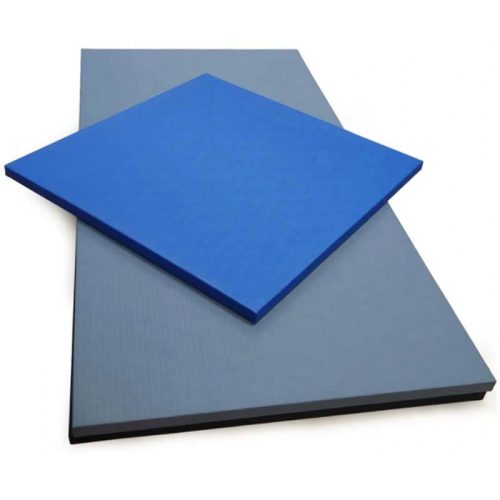 Judo Tatami Custom Size Mats for Academy and Competition
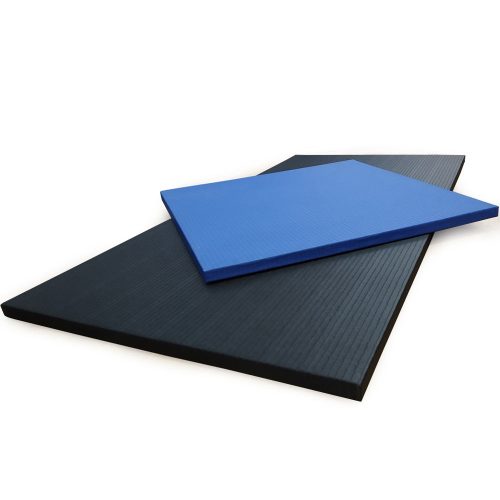 Judo Flooring Customizable Mats for Schools and Academies
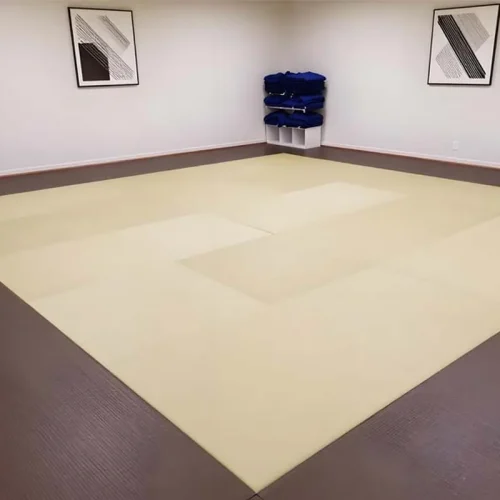 Judo Mat Durable Training Mat for Dojos and Clubs
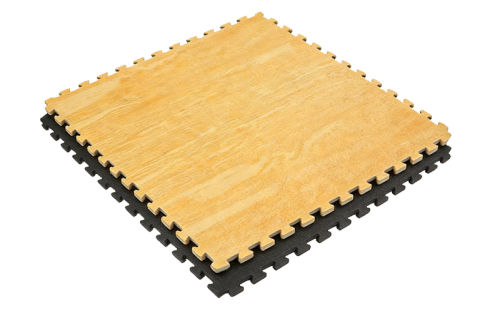 Wood Grain EVA Taekwondo mat Durable Anti Slip Flooring for Dojos
 Wrestling Mat Durable Surface for Training and Competition