HomeBlogGuideHow to Clean Martial Arts Mats Without Damaging the Surface.
How to Clean Martial Arts Mats Without Damaging the Surface.
Remove loose dirt, clean the mat with a surface-compatible product, and disinfect when required by the facility hygiene protocol. Follow the cleaner label and mat care instructions, then allow the surface to dry before use.
What Are Martial Arts Mats?
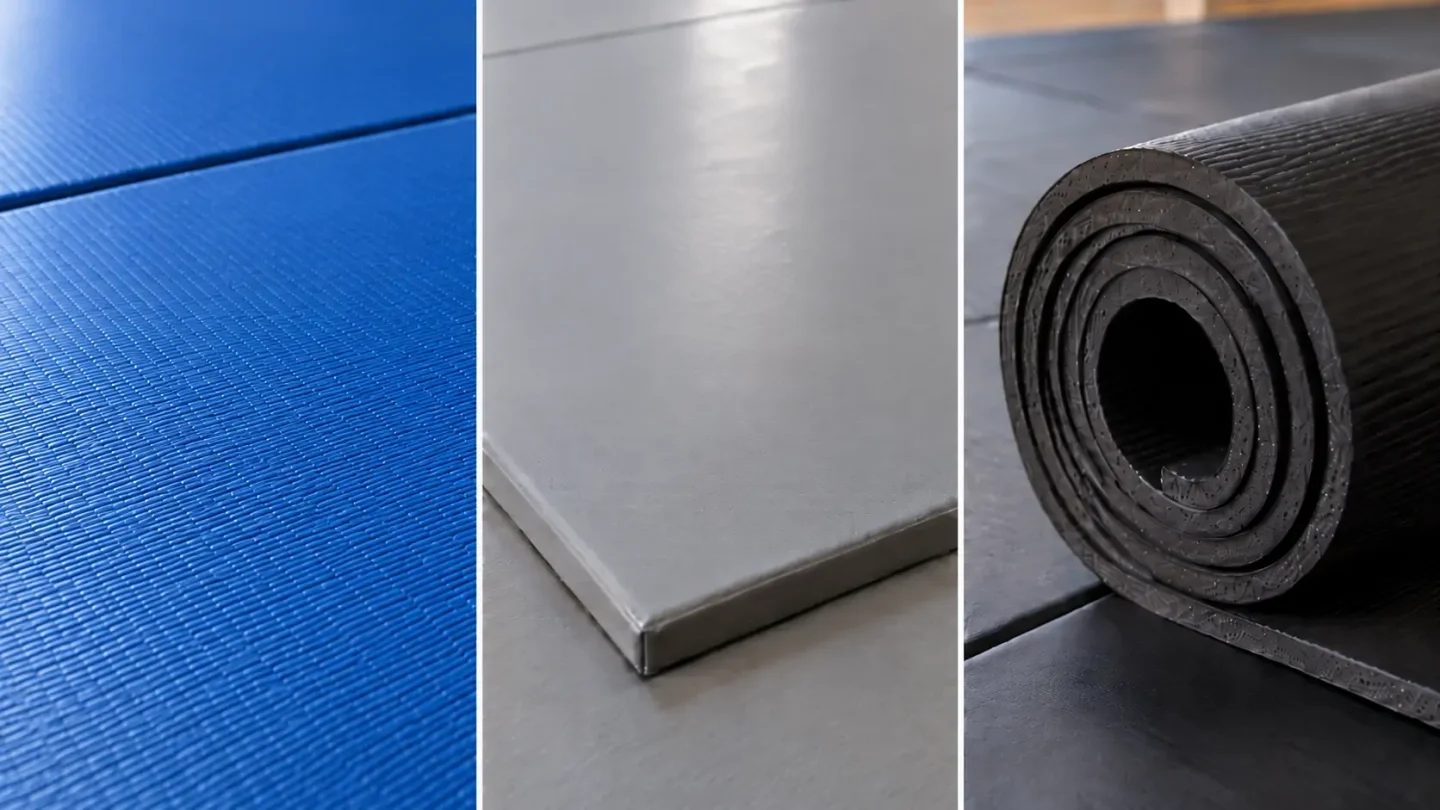
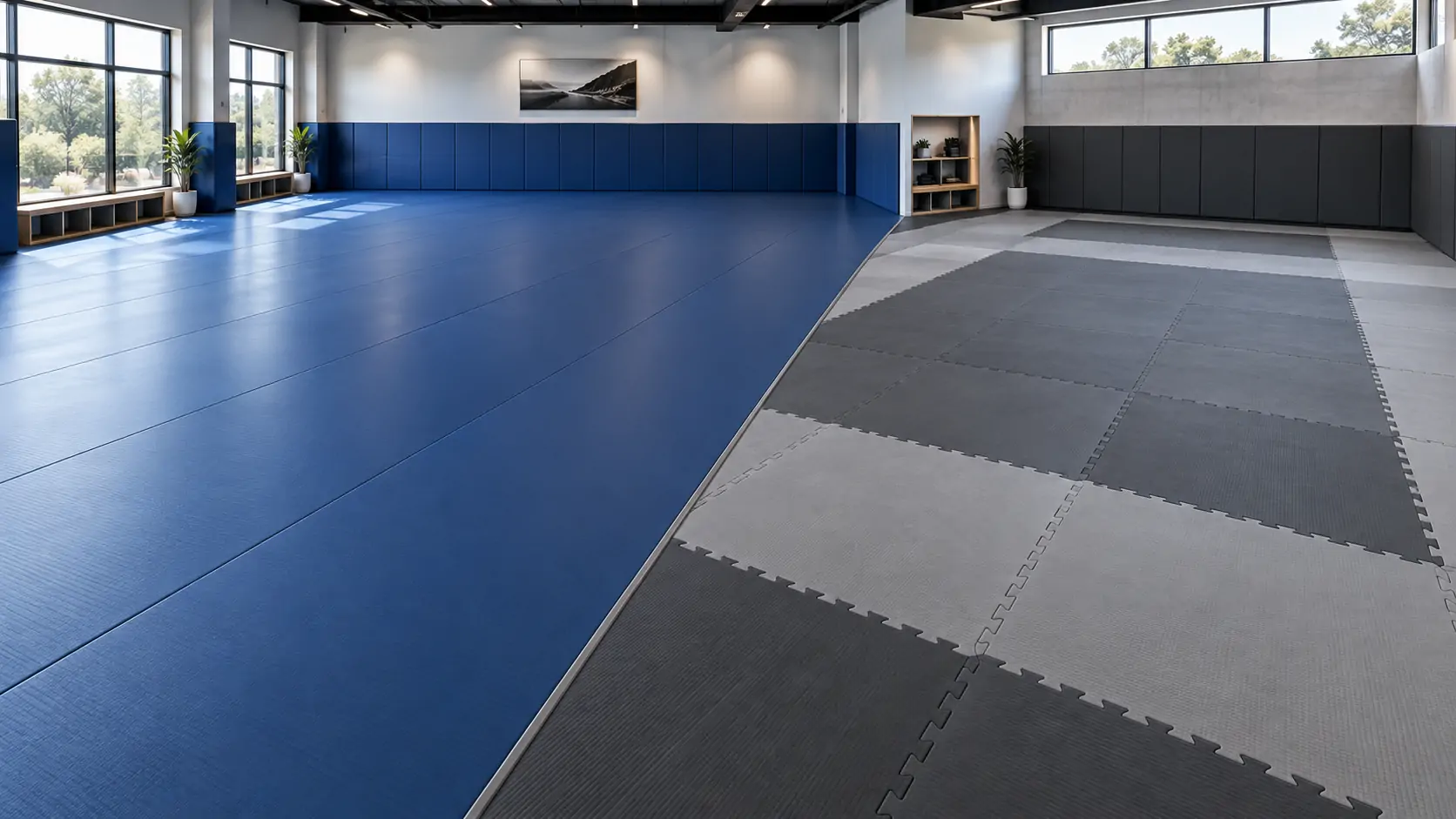
Martial arts mats vary by construction. Some use a PVC-coated top over a foam core, while many interlocking karate or taekwondo tiles are made from EVA foam throughout.
They do four jobs:
Absorb impact from throws, falls and kicks.
Control grip and footing through surface texture.
Provide a cushioned training surface when the construction is appropriate for the activity and impact level.
Define the training area, with colors and borders.
You will also see them called dojo mats, tatami, roll-out mats, grappling mats, or puzzle and interlocking mats. A "martial arts training mat" is the generic name for any of these.
Types of Martial Arts Mats and What They Are Made Of
Type
Typical construction
Used for
Cleaning implication
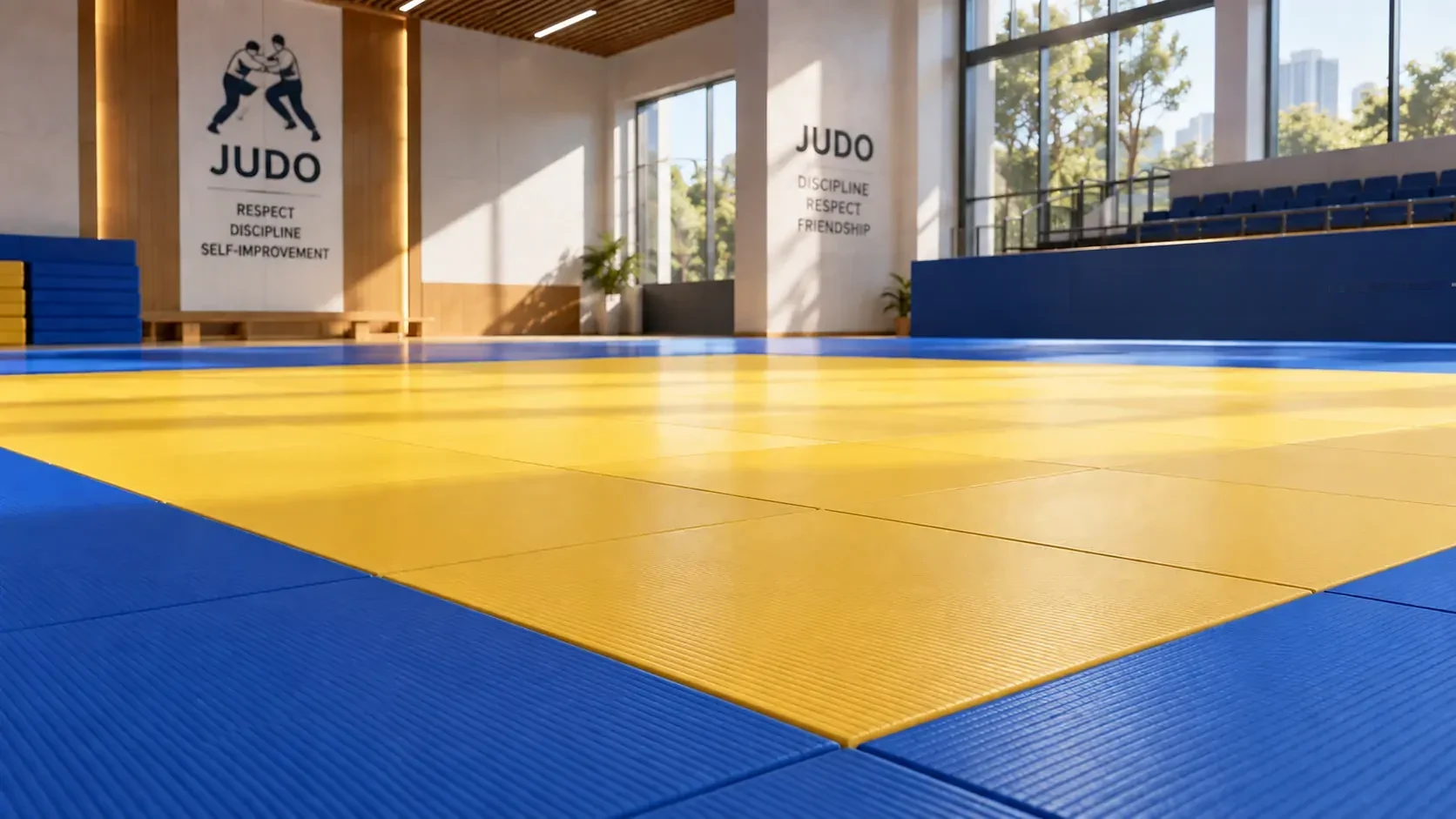
Judo tatami
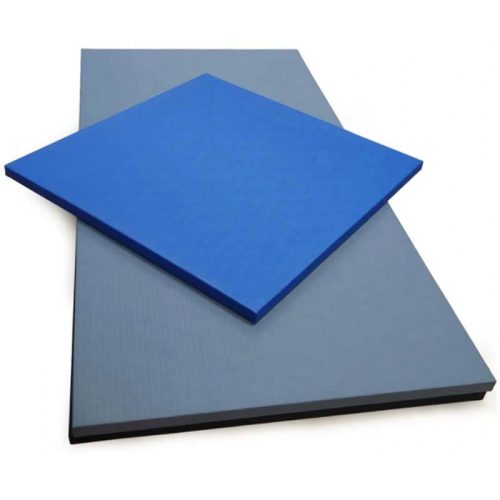
PVC leather over compressed sponge (190, 230 or 270 kg/m³), anti-slip rubber base, 2-6 cm
Throws, judo, general dojo flooring
Wipe or mop; keep water off the seams
MMA / BJJ roll-out
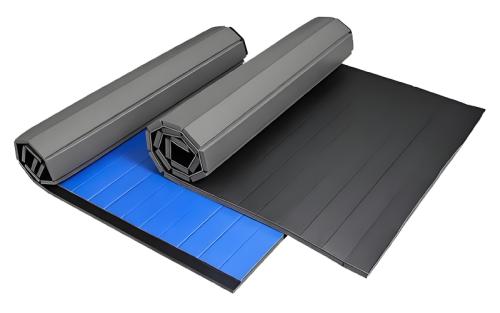
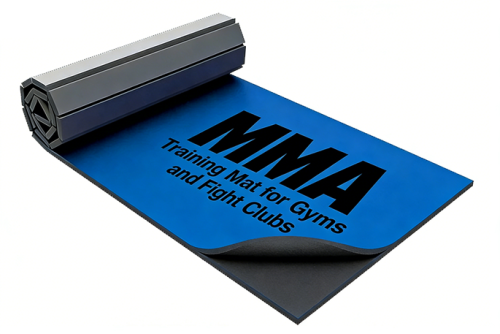
PVC-coated surface with XPE foam core; available widths, thicknesses and textures vary by model. Confirm the exact options before quoting.
Ground grappling, MMA
Soft mop; dry the seams and edges
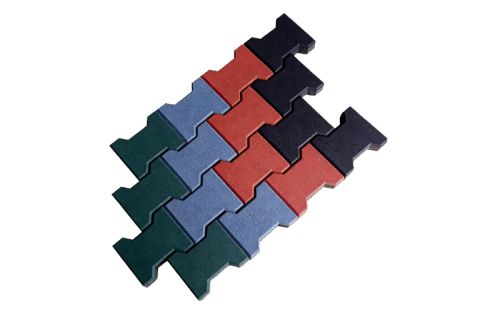
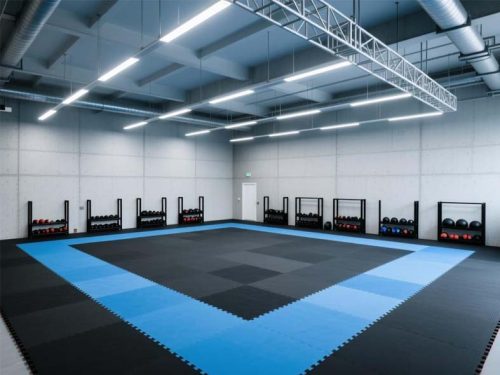
EVA interlocking tiles
Interlocking EVA tiles, commonly 100 × 100 cm; thickness options include 2, 2.5, 3, 4 and 5 cm. Available densities depend on thickness; 4 and 5 cm options are 80 kg/m³ only.
Striking, kata, forms
Soft brush; limit water at tile edges
Wrestling
Competition and roll-up wrestling mat constructions vary by model; confirm the competition layout, foam specification, thickness and surface system against the intended use.
Takedowns, competition layouts
Sweep first, then damp-mop
Judo tatami — Crosste available configurations; confirm by model.
Surface texture and firmness vary by model; compare available samples and specifications for each discipline.
Ask for density and firmness specifications for the selected model. Available density choices depend on the foam material, thickness and production process.
Which Type of Martial Arts Mat Fits Which Discipline?
What is the best type of mat for martial arts?
No single type wins. Match the mat to the discipline:
Throws and judo: tatami.
Ground grappling: roll-out PVC/XPE.
Striking and kata: EVA tiles.
Wrestling: modular competition panels or a home roll-up.
Mixed-use classes: select the mat system after reviewing the highest-impact activity, surface traction, floor base and installation needs.
Crosste offers judo tatami mats with construction and dimensions selected for judo training and event flooring. Request the model specifications and available test documentation for your project.
Are wrestling mats the same as jiu-jitsu mats?
Competition wrestling layouts follow the event organizer’s current requirements. Confirm mat area, markings, thickness and applicable standards before ordering. Either can work for general grappling.
How to Clean Martial Arts Mats Safely
Why mat construction decides how you clean
The top layer takes the wear, so scratches and dulled texture start there. Moisture and abrasive grit do the real damage, because they work into seams, edges and the foam core.
A simple routine
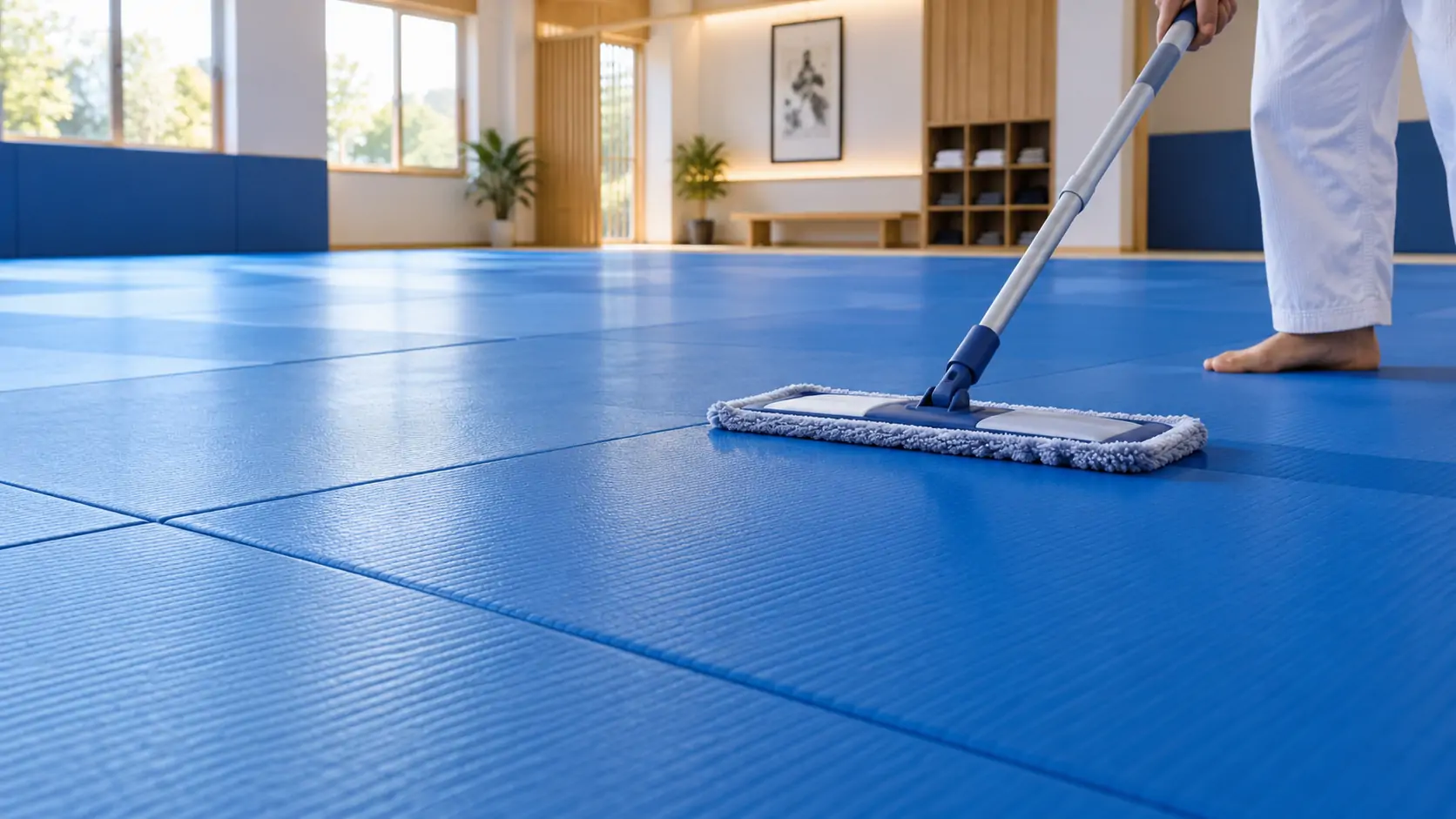
Dry-sweep or dust-mop daily, before any wet cleaning, so grit isn't dragged across the surface.
Use a cleaner approved for the specific mat surface. Follow the product label for dilution, application method and any rinsing requirements; test a small, inconspicuous area first.
After cleaning, use a disinfectant approved for the facility and the relevant surface, following its labeled organisms, dilution, contact time and rinse directions. Keep the surface wet for the full labeled contact time.
Wipe with clean water if the label requires a rinse, to remove residue.
Air-dry fully before the next class, and never roll or stack damp mats.
Do a deeper pass weekly, or sooner on high-traffic mats, paying attention to seams and edges.
Contact sports can transmit skin infections through close contact; contaminated shared equipment may also contribute to some infections. Facilities should combine appropriate mat cleaning with personal hygiene, prompt injury management and exclusion policies for active infections. Wash your martial arts uniform after every session as well. Mat care supports, but does not replace, those personal habits.
For US facilities, choose an EPA-registered product labeled for the relevant pathogens and intended surface. Confirm compatibility with the mat manufacturer and follow the exact label directions. Never mix bleach with ammonia-based cleaners.
By surface type
PVC leather or vinyl: soft cloth or flat microfiber mop, no abrasive pads.
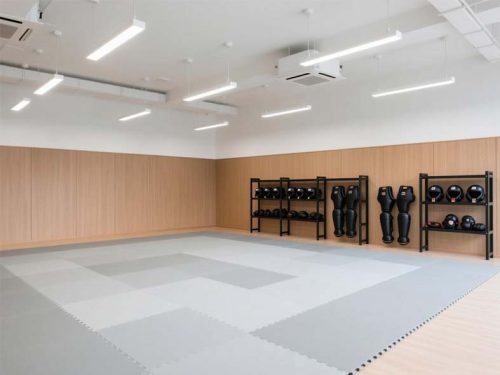
EVA tiles: soft brush, with minimal water at the joints.
Textured or tatami surfaces: soft brush worked along the grooves, where dirt collects.
What to avoid
Skip abrasive scrubbers, soaking seams, steam or heat, and harsh solvents. Check your supplier's care guidance for the specific mat. Keep the mat-to-wall seam dry; gaps trap moisture and grit.
Signs a mat needs replacing, not more scrubbing
Persistent odor after correct cleaning and drying may signal trapped moisture or contamination. Inspect seams and the underside; seek supplier guidance if the problem continues.
Cracking or peeling at seams and fold lines.
Inspect for loss of cushioning, persistent deformation, exposed core or unstable seams; remove questionable areas from service and consult the supplier before deciding on repair or replacement.
Anti-slip texture worn smooth in high-traffic zones, which is a safety issue.
Choosing Mats for a Dojo, Gym or Home Space
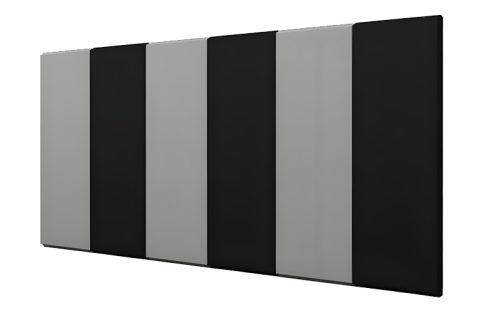
Crosste manufactures martial arts mats for distributors, clubs and facility projects. Available size, thickness, surface texture, color and OEM options depend on the model. Send your room dimensions, discipline, expected use and destination to request a suitable specification and quotation. Planning padded walls around the mat area? The wall padding height guide for training facilities covers how high to go. Tell us your room size and discipline and we'll propose a spec.
FAQ
How thick should martial arts mats be?
Mat thickness depends on the discipline, fall intensity, foam firmness and floor construction. For throws and competition installations, confirm the applicable event requirements and available product test data. Share your use case for a model-specific recommendation.
What are the best martial arts mats for home use?
For temporary or smaller training areas, roll-out mats can reduce setup and storage effort. For permanent facilities, compare roll-out and interlocking systems by seams, cleaning access, durability and floor layout.
How often should martial arts mats be cleaned?
Remove visible dirt after each training session and clean at a frequency appropriate to usage. Disinfect shared contact surfaces according to the facility hygiene plan, product labeling and local guidance. Allow mats to dry before reuse.
Can you use disinfectant or bleach on martial arts mats?
Use a disinfectant permitted in your market and labeled for the mat surface and intended use. Follow the stated dilution, wet contact time and rinse instructions, and confirm PVC/EVA compatibility before routine application. Do not use chlorine bleach unless both the disinfectant instructions and the mat manufacturer expressly permit it. Never mix cleaning chemicals, and follow required ventilation and rinsing precautions.

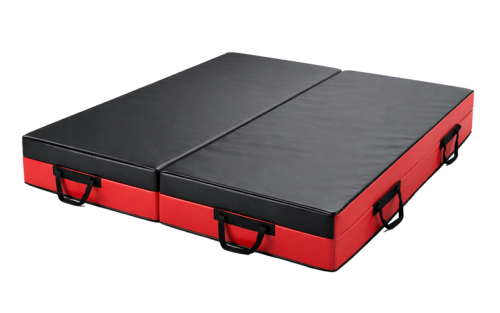
 Home Use Roll Up Wrestling Mat for Training and Practice
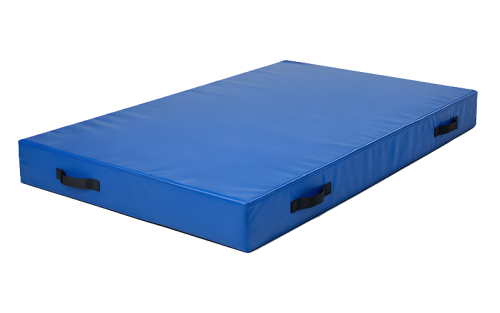
 Custom MMA Mats
 BJJ Mats Durable Training Mats for Martial Arts Gyms
 Judo Tatami Custom Size Mats for Academy and Competition
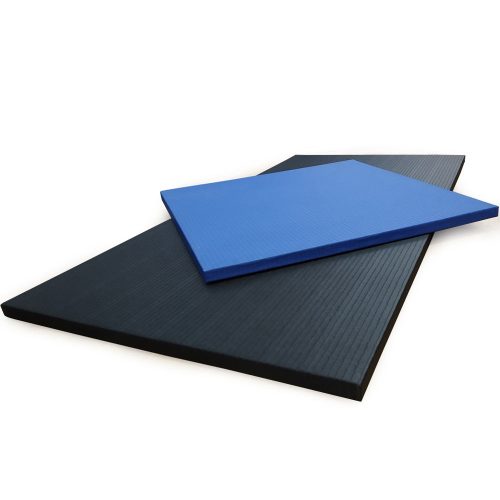 Judo Flooring Customizable Mats for Schools and Academies
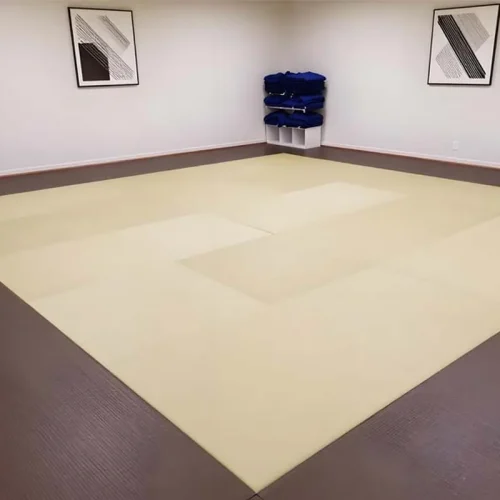 Judo Mat Durable Training Mat for Dojos and Clubs
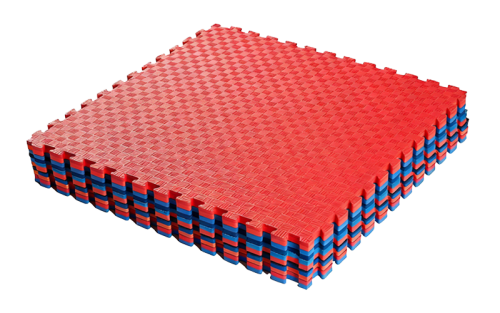 Karate Mats Impact Absorption for Dojo Training
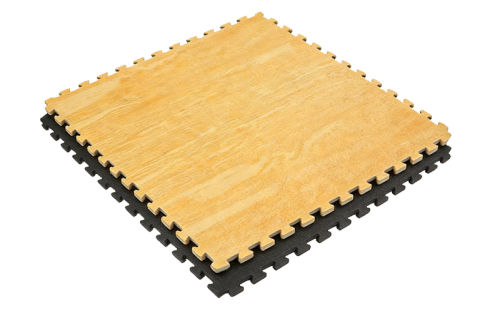 Wood Grain EVA Taekwondo mat Durable Anti Slip Flooring for Dojos