-
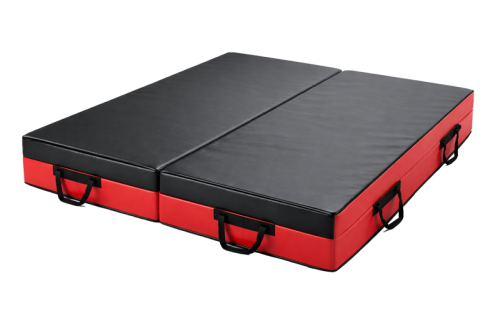
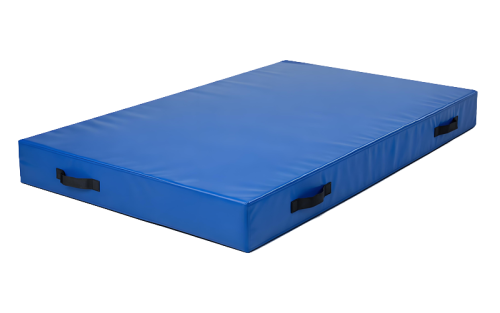
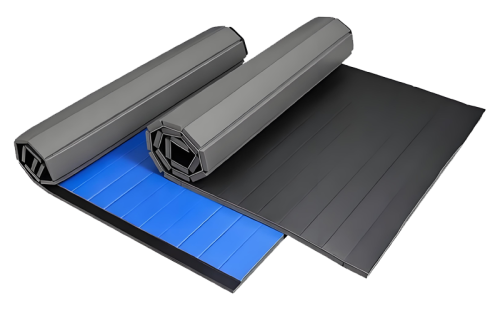
 Home Use Roll Up Wrestling Mat for Training and Practice
 -
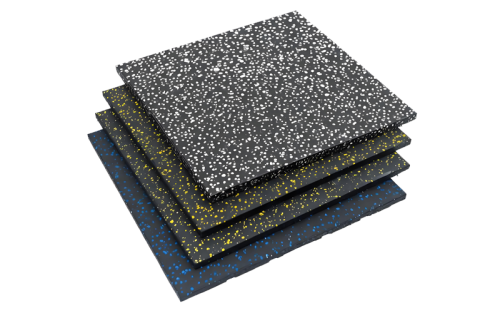
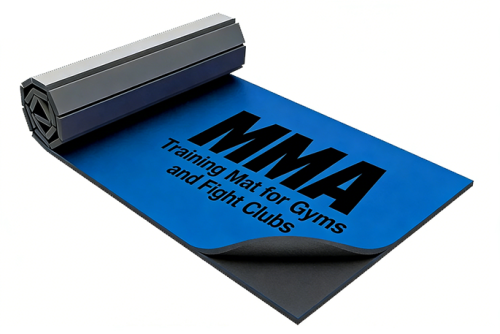
MMA Training Mat Durable Foam for Gym and Martial Arts
-
BJJ Mats Durable Training Mats for Martial Arts Gyms
-
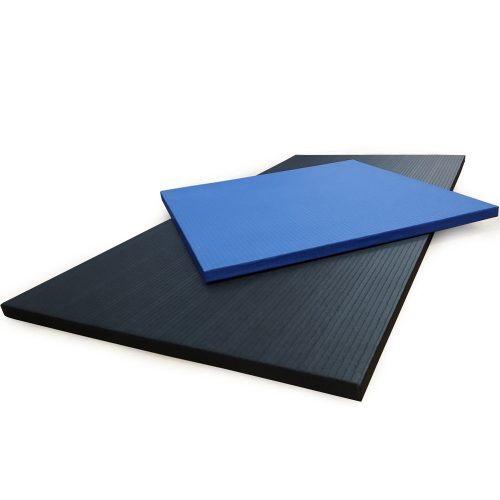
Judo Tatami Custom Size Mats for Academy and Competition
-
Judo Flooring Customizable Mats for Schools and Academies
-
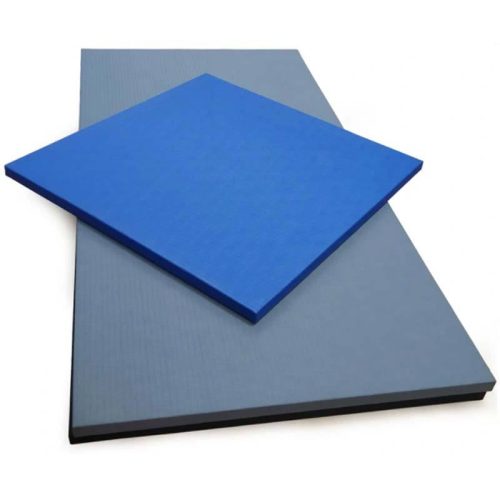
Judo Mat Durable Training Mat for Dojos and Clubs
-
Karate Mats Impact Absorption for Dojo Training
-
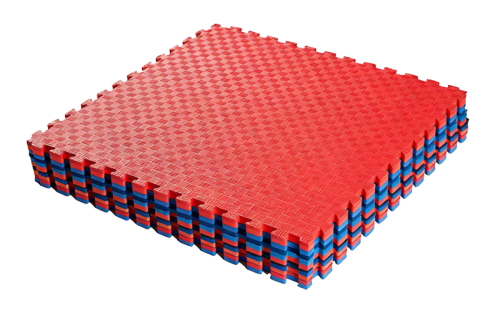
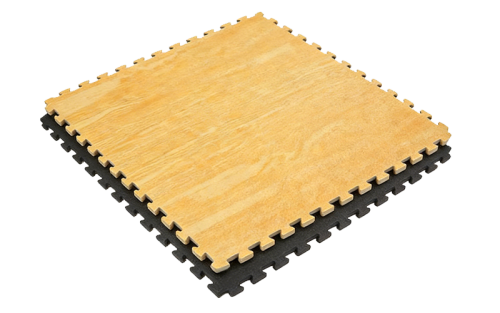
Wood Grain EVA Taekwondo mat Durable Anti Slip Flooring for Dojos


-
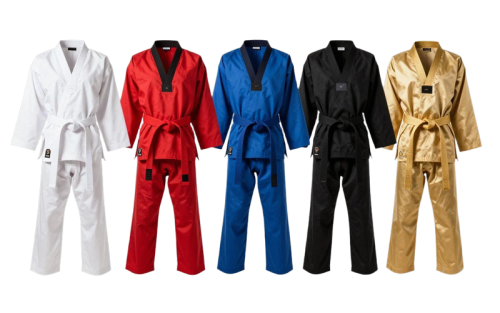
Taekwondo Dobok Lightweight Durable Training Uniform
-
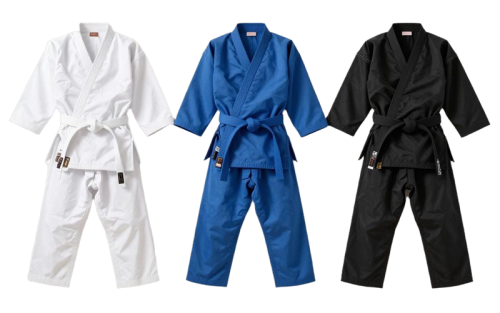
Judo Uniform Durable Training Gear for Clubs
-
Karate Uniforms Durable Cotton for Training and Competition
-
Karate Gi Durable Cotton for Training and Competition
-
BJJ Gi Durable Training Uniform for Brazilian Jiu Jitsu
-
Judo Gi Durable Training Wear for Martial Arts
-
Taekwondo Uniform Lightweight Durable for Training and Competition
-
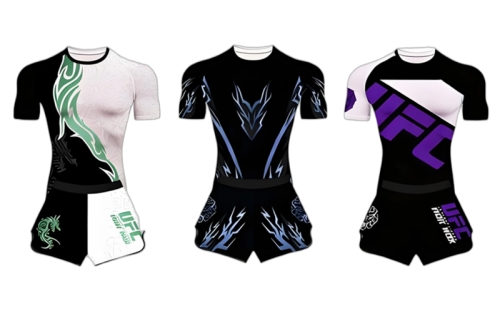
UFC Martial arts uniform Durable Training Gear for Gyms